The reality of social crypto limits to account for
Social crypto promises a world where attention is a tangible asset. You create content, the blockchain verifies your impact, and you earn tokens in return. It sounds like a direct path to monetization. In practice, the infrastructure is still finding its footing. The gap between the promise of onchain social and the reality of daily use is wide.
The primary constraint isn't technology; it's adoption. While protocols like Farcaster or Lens allow you to own your social graph, most users still live on centralized platforms. Moving your audience to a decentralized app feels like asking them to switch from email to a new, complex protocol. The friction is real. You aren't just building content; you're building a new community from scratch.
Liquidity is the second major hurdle. Many social tokens lack the volume to support meaningful trades. If you hold a token that represents your influence, you need buyers. Without deep liquidity, your "value" is theoretical. You might see a high market cap, but selling even a small amount could crash the price. This makes social crypto a risky place to park significant capital or rely on for steady income.
Regulatory uncertainty adds another layer of complexity. The SEC and other global bodies are still defining how to treat creator tokens. Are they securities? Utility tokens? The answer changes everything for compliance and taxation. Until clear guidelines emerge, platforms may restrict features or delist certain assets to avoid legal trouble. This means your onchain social presence could vanish overnight if a protocol decides to comply with new regulations.
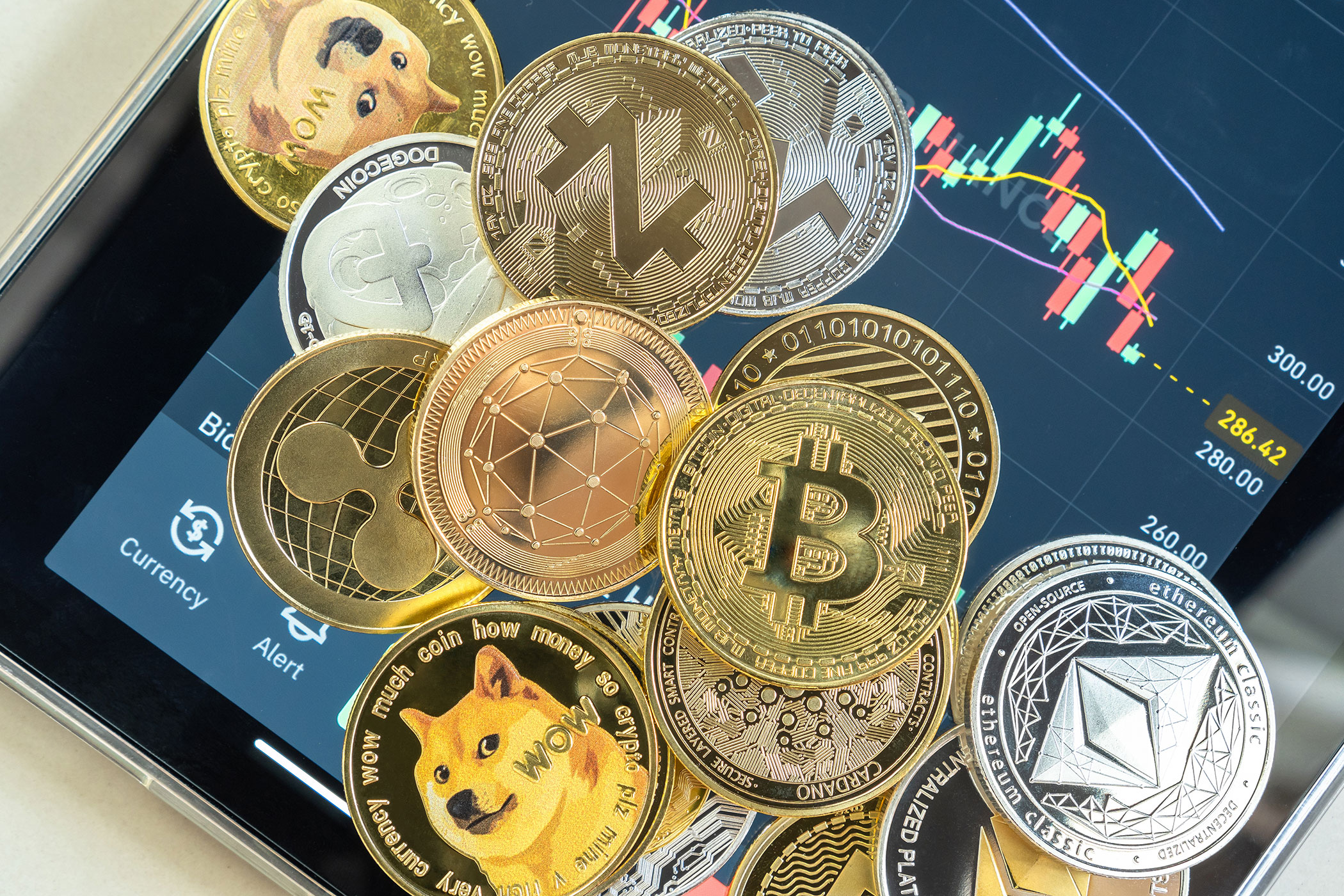
The market reflects this tension. While Bitcoin and Ethereum remain dominant, social crypto tokens often show high volatility with little fundamental backing. A TechnicalChart of a typical social token reveals sharp spikes followed by long periods of stagnation. This isn't the stable, predictable asset class that many newcomers hope for. It's a high-risk experiment in digital ownership.
The bottom line is that social crypto is not a get-rich-quick scheme. It's an early-stage infrastructure play. If you're interested, treat it as a long-term experiment rather than a primary income source. Focus on building genuine connections on-chain, not just accumulating tokens. The value will come from the network effect, not the token price alone.
Social crypto choices that change the plan
Social Crypto works best as a clear sequence: define the constraint, compare the realistic options, test the tradeoff, and choose the path with the fewest hidden costs. That order keeps the advice usable instead of decorative. After each step, pause long enough to check whether the recommendation still fits the reader's actual situation. If it depends on perfect timing, unusual access, or a best-case budget, include a simpler fallback.
| Factor | What to check | Why it matters |
|---|---|---|
| Fit | Match the option to the primary use case. | A good deal still fails if it does not fit the job. |
| Condition | Verify age, wear, and service history. | Hidden condition issues erase upfront savings. |
| Cost | Compare purchase price with likely upkeep. | The cheapest option is not always the lowest-cost option. |
Choose Your Social Crypto Infrastructure
Social crypto platforms function as the operating system for creator economies, but they are not interchangeable. Selecting the right onchain social infrastructure requires matching your monetization model to the platform’s token mechanics. A mismatch between your audience’s behavior and the platform’s governance structure will stall revenue growth.
Define Your Token Utility
Start by determining whether your token serves as a membership key, a governance instrument, or a speculative asset. Platforms like Friend.tech or Farcaster offer different incentives. If your goal is recurring revenue, look for protocols that support subscription-based access or tip jars. If you aim for community building, prioritize platforms with transparent onchain reputation systems. Avoid platforms that rely solely on speculative trading, as these rarely sustain long-term creator income.
Evaluate Liquidity and Exit Paths
Liquidity is the difference between a hobby and a business. Check the trading volume and market depth of similar tokens on decentralized exchanges. Low liquidity means you cannot monetize your attention efficiently because buyers cannot enter or exit positions without significant slippage. Use a TechnicalChart to analyze the volume trends of comparable social tokens. If the volume is consistently low, the platform may lack the critical mass needed for sustainable monetization.
Assess Regulatory Compliance
The regulatory landscape for social tokens is evolving. Ensure the platform complies with current securities laws in your jurisdiction. Platforms that issue tokens without proper registration may face shutdowns, leaving your audience stranded. Look for platforms that have transparent legal frameworks or partner with established custodians. This reduces the risk of losing access to your community and revenue streams due to legal action.
Test with a Pilot Launch
Before committing fully, run a small-scale pilot. Issue a limited number of tokens or access keys to your most engaged followers. Monitor how they interact with the platform: do they trade, hold, or use the utility? This data will reveal whether the platform’s mechanics align with your audience’s expectations. Adjust your strategy based on this feedback before scaling your efforts.
Spotting misleading claims in social crypto
The onchain social infrastructure space is crowded with platforms promising easy monetization for creators. While the technology enables new ways to hold and trade attention, many projects overstate the potential for quick profits. You need to separate the actual utility of these tokens from the hype surrounding them.
The "get rich quick" trap
Many guides suggest you can make $1,000 a day with crypto through social tokens. This is rarely true for new entrants. Most social tokens function more like community membership passes than liquid assets. Expecting daily income from trading these tokens ignores the low liquidity and high volatility typical of micro-cap assets.
Hidden tax implications
Another common mistake is ignoring tax obligations. The IRS can see your crypto wallet. Every transaction involving a social token—buying, selling, or receiving it as a reward—is a taxable event. Failing to track these onchain interactions can lead to significant penalties during an audit. Use a portfolio tracker that supports social token standards to stay compliant.
The 1% rule explained
The 1% rule in crypto often refers to risk management. Never allocate more than 1% of your total portfolio to a single social token. These assets are highly speculative and can drop to zero if the creator loses relevance. Diversifying your exposure protects your capital from the failure of any single project.
Social crypto: what to check next
Social crypto platforms blend digital assets with community building, but they often trigger the same practical questions as broader cryptocurrency markets. Understanding these mechanics helps you separate hype from sustainable revenue.
Can you make $1000 a day with crypto?
Generating $1,000 daily is possible but rare. It typically requires substantial capital, high-frequency trading, or a large, monetized audience holding social tokens. For most creators, consistent income comes from steady engagement and token appreciation rather than daily windfalls.
Can the IRS see your crypto wallet?
Yes. The IRS treats crypto as property and requires reporting of transactions. Major exchanges report to the IRS under Form 1099-K, and blockchain analysis firms help track unreported activity. You must report gains or losses from selling, trading, or earning crypto.
What is the 1% rule in crypto?
The 1% rule suggests risking no more than 1% of your total portfolio on a single trade. This protects you from catastrophic losses during the high volatility typical of social tokens and altcoins. It is a risk management standard, not a guarantee of profit.
How to make $100 a day with crypto?
Earning $100 daily usually involves staking assets, providing liquidity, or monetizing a niche audience through social tokens. Passive staking yields vary by network, while active trading requires skill and time. Most consistent earners combine multiple income streams rather than relying on one method.
No comments yet. Be the first to share your thoughts!