The reality behind social crypto
Social tokens often promise direct creator-fan economics, but the market reality is far more volatile than the initial hype suggested. While platforms like Friend.tech or Rollout allowed creators to mint tokens tied to their personal brand, most of these assets suffer from low liquidity and extreme price swings. Treating a creator’s social token as a stable investment vehicle is a common pitfall that leads to significant losses.
The primary keyword cluster, "Social Crypto guide," points toward understanding the mechanics of onchain monetization rather than speculative trading. Creators issue these tokens to grant access to exclusive content or community channels, yet the secondary market for these tokens frequently dries up once the initial launch excitement fades. Without a sustainable utility loop, the token price decays, leaving holders with illiquid assets.
To navigate this space effectively, you must separate the platform’s technology from the asset’s value. The blockchain provides the infrastructure for ownership and verification, but the token’s worth depends entirely on the creator’s ongoing engagement and the community’s willingness to hold. This distinction is critical for anyone looking to monetize content or invest in creator-led projects in 2026.
Social crypto choices that change the plan
Social Crypto works best as a clear sequence: define the constraint, compare the realistic options, test the tradeoff, and choose the path with the fewest hidden costs. That order keeps the advice usable instead of decorative. After each step, pause long enough to check whether the recommendation still fits the reader's actual situation. If it depends on perfect timing, unusual access, or a best-case budget, include a simpler fallback.
| Factor | What to check | Why it matters |
|---|---|---|
| Fit | Match the option to the primary use case. | A good deal still fails if it does not fit the job. |
| Condition | Verify age, wear, and service history. | |
| Cost | Compare purchase price with likely upkeep. | The cheapest option is not always the lowest-cost option. |
Choose the next step
Social Crypto works best as a clear sequence: define the constraint, compare the realistic options, test the tradeoff, and choose the path with the fewest hidden costs. That order keeps the advice usable instead of decorative. After each step, pause long enough to check whether the recommendation still fits the reader's actual situation. If it depends on perfect timing, unusual access, or a best-case budget, include a simpler fallback.


Spotting Weak Options and Misleading Claims
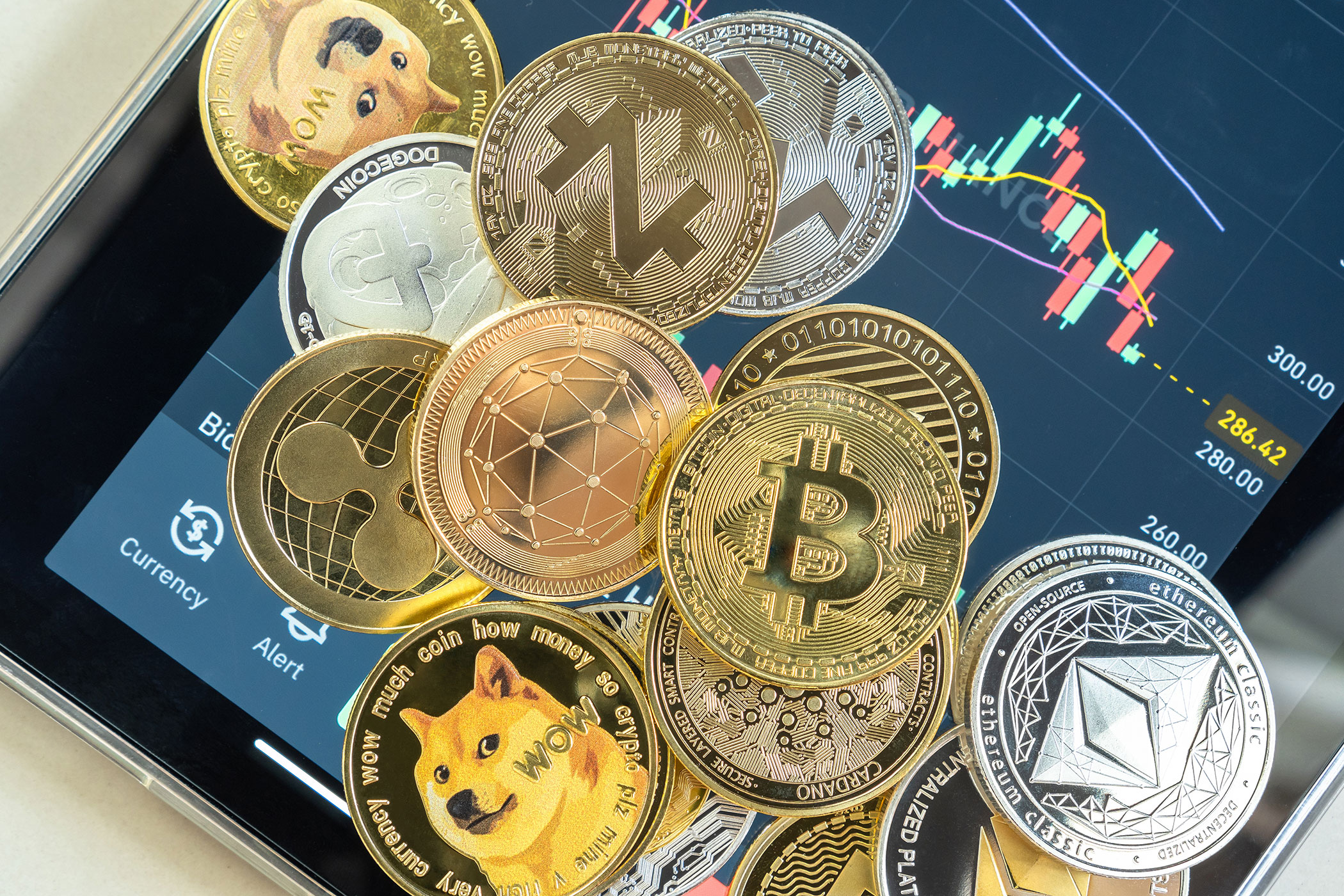
Social crypto monetization often relies on hype rather than sustainable utility. Creators frequently promise passive income or guaranteed appreciation, which rarely materializes. The market is saturated with projects that lack clear utility or a committed community.
The "Passive Income" Trap
Many social tokens claim to generate yield through staking or liquidity pools. However, these yields often come from inflationary token emissions rather than real revenue. When token supply outpaces demand, prices collapse. This model benefits early insiders while leaving late adopters with devalued assets.
Vague Utility and Overpromising
Projects often list vague benefits like "exclusive access" without defining what that entails. Without clear, deliverable perks, holders have no reason to retain their tokens. Always check if the creator has a history of delivering on similar promises. If the roadmap is full of buzzwords but lacks concrete milestones, treat it as a red flag.
Ignoring Market Volatility
Social tokens are highly correlated with broader crypto market trends and the creator's personal brand. A single controversy can wipe out value. Unlike established cryptocurrencies with decentralized governance, these tokens are entirely dependent on one individual. Diversification is essential to mitigate this concentrated risk.
Social crypto: what to check next
Before committing capital or building a token economy, creators and investors often face practical hurdles. Here are answers to the most common questions about onchain monetization.
Is social token investing safe?
Social crypto assets are high-risk speculative instruments. Unlike traditional equities, their value is tied directly to a creator’s engagement and public sentiment, which can shift rapidly. Never invest money you cannot afford to lose, and treat these tokens as experimental exposure rather than stable savings.
How do creators actually earn revenue?
Monetization comes from multiple streams: selling initial supply to early supporters, taking a percentage of secondary market trades, and offering exclusive onchain perks. Successful projects often combine direct sales with utility, such as gated access to private communities or future content drops.
What is the best platform for launching a token?
The choice depends on your technical comfort and audience. Manifold or Friend.tech offer low-friction entry for creators who want to focus on community rather than code. For more complex economic models, platforms like Farcaster or Lens Protocol provide deeper customization but require more setup.
Can I trade social tokens on major exchanges?
Most social tokens are not listed on major centralized exchanges like Coinbase or Binance due to regulatory scrutiny. Trading typically happens on decentralized exchanges (DEXs) or specialized social platforms. Always verify liquidity and contract authenticity before swapping tokens to avoid scams.
Helpful gear
Use these product recommendations as a starting point, then choose the size, material, and price point that fit how you actually use the gear.



As an Amazon Associate, we may earn from qualifying purchases.
No comments yet. Be the first to share your thoughts!