What social tokens actually are
Social tokens are digital assets issued by creators, influencers, or communities to build closer relationships with their audience. Unlike generic meme coins that rely on speculation and viral trends, social tokens grant holders access to exclusive content, community governance, or real-world experiences.
Think of a social token as a membership card that lives on the blockchain. Instead of paying a monthly subscription fee to a platform, fans buy tokens directly from the creator. This shifts power away from centralized platforms and gives the community a stake in the creator's success.
Coinbase defines social tokens as "digital assets issued by creators" that serve as a bridge between the creator and their supporters. This distinction is critical for investors: you are buying into a specific person or group's brand, not just gambling on random market sentiment.
The value of a social token is tied to the creator's engagement and reputation. If the creator continues to produce valuable content and maintain community trust, the token may appreciate. If engagement drops, the token value often follows. This creates a direct feedback loop between the creator's efforts and the community's financial interest.
How creators monetize onchain growth
Social tokens represent a structural shift in how digital creators capture value. Instead of relying on platform algorithms to distribute ad revenue, creators issue their own digital assets to build a direct economic relationship with their audience. This model transforms passive viewers into active stakeholders who benefit from the creator's growth.
At its core, a social token functions as a bridge between fan engagement and tangible utility. Holders often receive exclusive access to content, voting rights on community decisions, or perks like merchandise discounts. This mechanism creates a self-reinforcing loop: as the creator’s brand grows, the token’s utility and perceived value increase, rewarding early supporters.
This approach contrasts sharply with traditional influencer models. In the past, creators surrendered a significant portion of their earnings to platforms that controlled distribution. Onchain monetization allows creators to retain ownership of their community’s economic value. By issuing tokens, they create a liquid asset that can be traded, held, or used, aligning the financial incentives of the creator and the audience.
The transition to onchain growth requires a different mindset. It is not merely about selling a product; it is about building a shared economy. When a creator launches a token, they are essentially inviting their audience to invest in their success. This direct ownership model fosters deeper loyalty and provides a more predictable revenue stream that is less vulnerable to sudden changes in social media policies or algorithm updates.
Top platforms for issuing social tokens
Social Crypto works best as a clear sequence: define the constraint, compare the realistic options, test the tradeoff, and choose the path with the fewest hidden costs. That order keeps the advice usable instead of decorative. After each step, pause long enough to check whether the recommendation still fits the reader's actual situation. If it depends on perfect timing, unusual access, or a best-case budget, include a simpler fallback.
| Factor | What to check | Why it matters |
|---|---|---|
| Fit | Match the option to the primary use case. | A good deal still fails if it does not fit the job. |
| Condition | Verify age, wear, and service history. | Hidden condition issues erase upfront savings. |
| Cost | Compare purchase price with likely upkeep. | The cheapest option is not always the lowest-cost option. |
Market performance and risks
Social Crypto works best as a clear sequence: define the constraint, compare the realistic options, test the tradeoff, and choose the path with the fewest hidden costs. That order keeps the advice usable instead of decorative. After each step, pause long enough to check whether the recommendation still fits the reader's actual situation. If it depends on perfect timing, unusual access, or a best-case budget, include a simpler fallback.
The simplest way to use this section is to write down the real constraint first, compare each option against it, and choose the path that still works outside ideal conditions.
Step-by-step: Launching your first token
Issuing a social token shifts your audience from passive followers to active stakeholders. This process requires more than just deploying code; it demands a clear utility model and strict adherence to regulatory boundaries. Treat this as a financial product launch, not a community experiment.
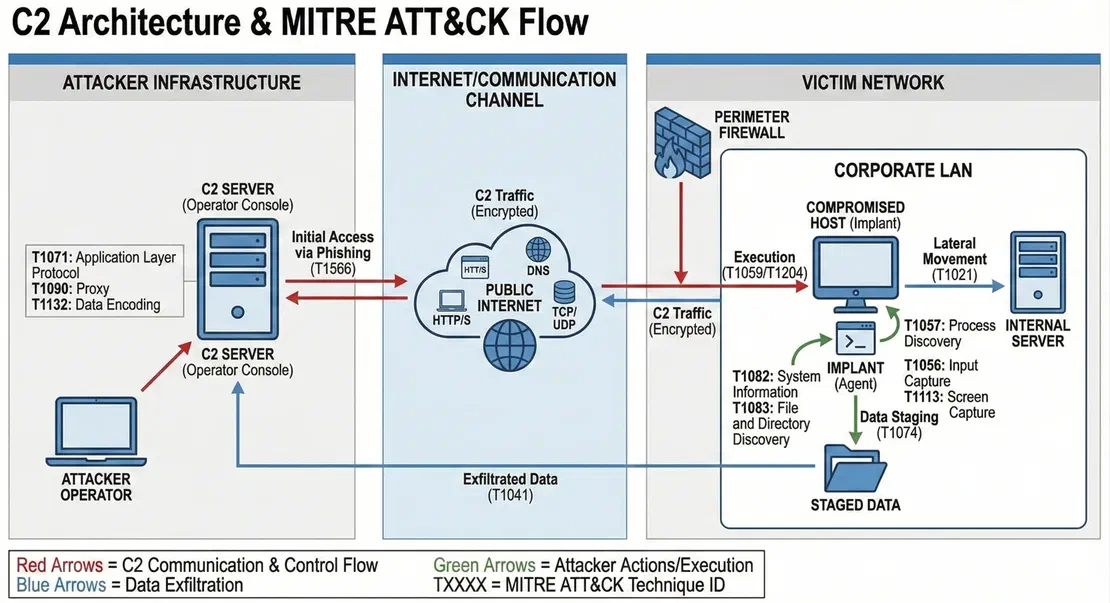
Before writing any code, determine what the token actually does. Does it grant access to exclusive content, voting rights in community decisions, or revenue sharing? Consult a legal expert specializing in digital assets to determine if your token qualifies as a security in your target jurisdictions. The Bitcoin Foundation emphasizes that understanding the legal framework is the first step in managing risk for any crypto project. Without a clear utility, you risk creating a speculative asset that regulators may target.
Choose a network that balances cost, speed, and user familiarity. Ethereum (ERC-20) offers the largest ecosystem but high gas fees. Layer 2 solutions like Arbitrum or Base provide lower costs while maintaining Ethereum compatibility. For simple engagement rewards, Solana (SPL) offers near-zero fees. Select a standard that aligns with your target audience’s existing wallets. Avoid complex custom chains unless you have significant technical resources to maintain them.
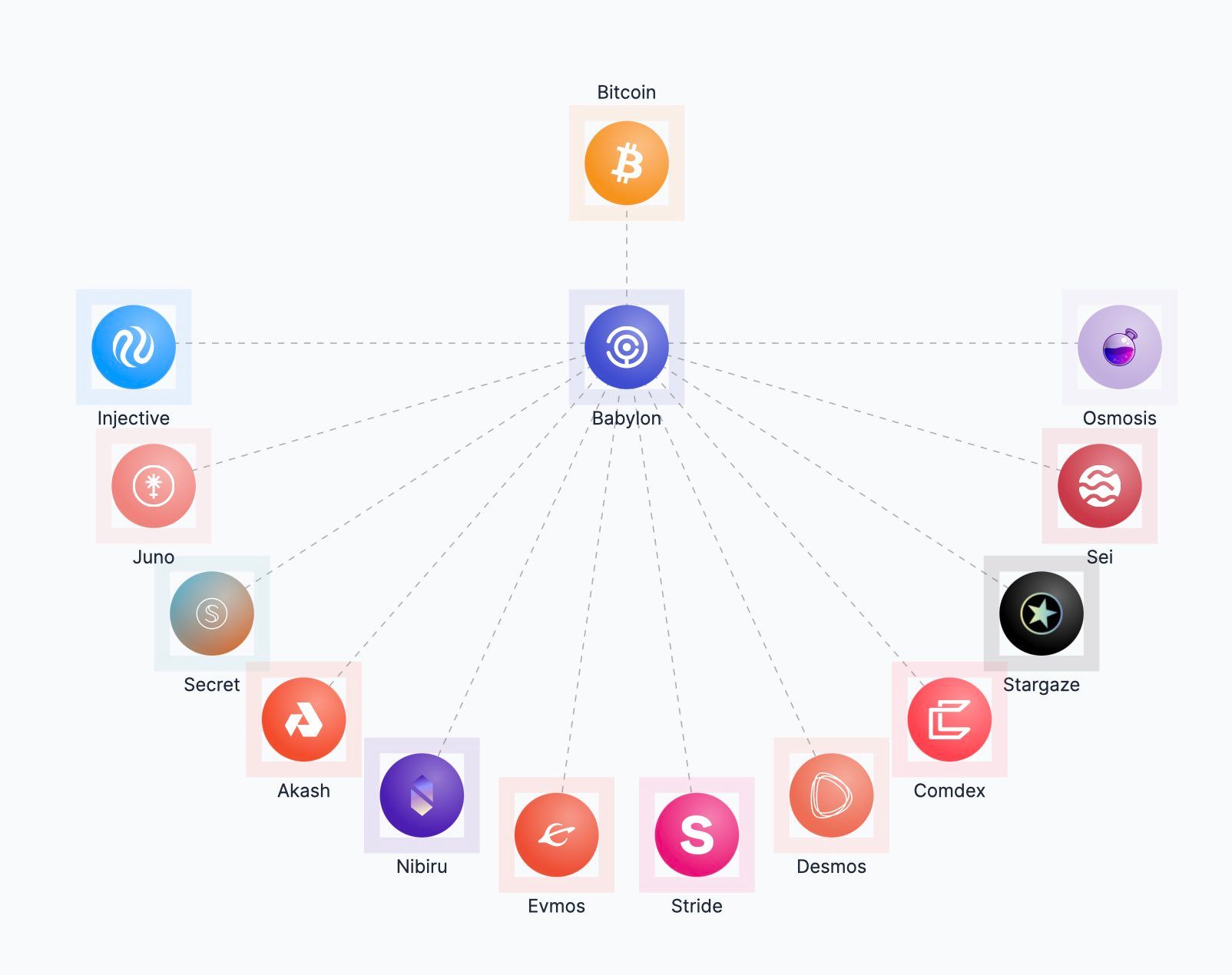
Your smart contract is the source of truth. Never use unverified, generic templates from public repositories. Hire a reputable third-party auditor to review your code for vulnerabilities like reentrancy attacks or minting limits. The audit report should be published publicly to build trust. This step is non-negotiable for high-stakes finance; a single bug can drain your community’s funds and destroy your reputation instantly.

Decide on your total supply and distribution mechanism. Common models include airdrops to early supporters, a public sale, or gradual release based on engagement metrics. Ensure your wallet infrastructure is secure. Use a multi-signature wallet for the project treasury to prevent single-point-of-failure theft. Document the distribution schedule transparently so holders know when and how tokens enter circulation.
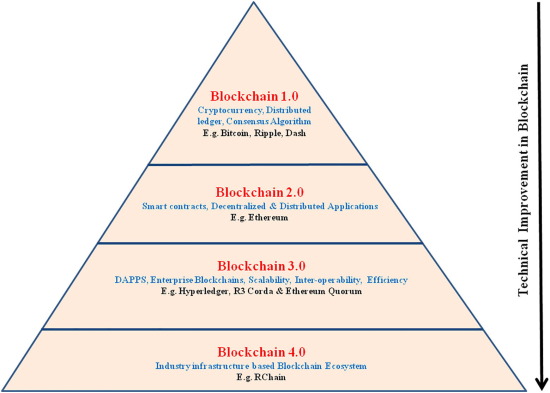
Launch is just the beginning. Establish clear communication channels for updates and governance proposals. Monitor on-chain activity to understand how holders are using the token. If you promised utility, deliver it consistently. Treat your token holders as partners. Regularly update your community on treasury usage and future roadmap items to maintain confidence and prevent sell-offs.
Frequently asked questions about social crypto
The intersection of social media and blockchain creates unique opportunities for monetization, but it also introduces distinct financial and regulatory risks. Understanding how these platforms operate is essential before committing capital or reputation.
Navigating the social crypto landscape requires discipline. Focus on verified sources and official guidelines rather than hype-driven narratives.
No comments yet. Be the first to share your thoughts!