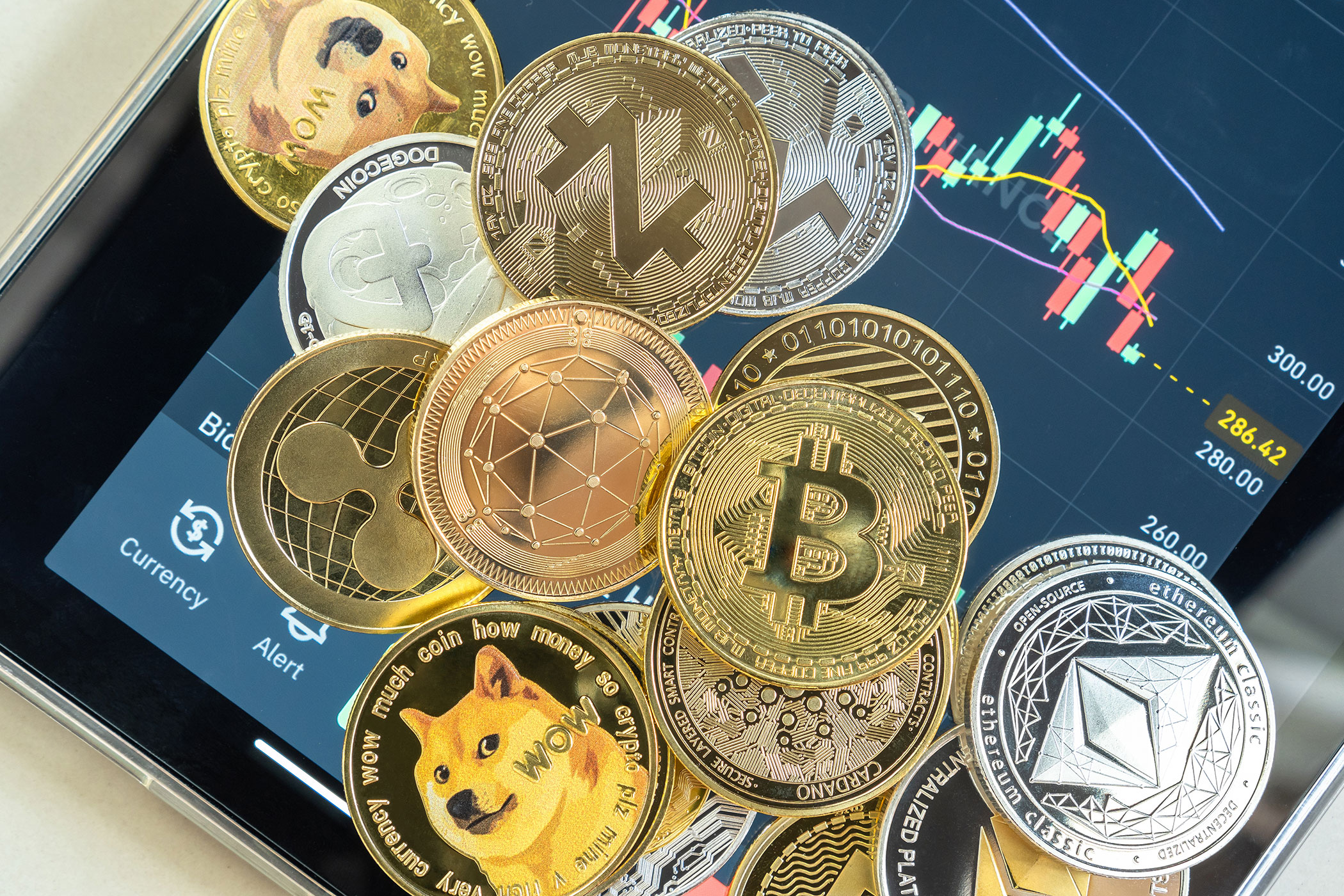
What social tokens actually do
A social token is a digital asset issued by a creator, brand, or community to reward engagement and grant access to exclusive experiences. Unlike speculative meme coins that rely on hype cycles and anonymous developers, these tokens are tethered to real-world influence and community utility. They function less like traditional currency and more like a membership key, allowing holders to participate in the creator’s ecosystem in ways that fiat currency cannot.
The core value proposition lies in direct ownership and alignment. When a creator launches a token, they are essentially handing over a piece of their economic future to their most dedicated fans. This shifts the relationship from transactional—buying a product or adoring a celebrity—to collaborative. Holders become stakeholders, incentivized to promote the creator’s work because their own asset’s value is tied to the community’s growth. This creates a self-reinforcing loop where audience loyalty directly impacts financial upside.
It is important to distinguish this from the broader crypto market volatility. While social tokens trade on exchanges and their prices fluctuate, their fundamental worth is derived from the social capital of the issuer. A drop in price might reflect market sentiment, but the utility—such as voting rights, access to private channels, or exclusive merch—remains intact. Understanding this distinction helps creators avoid the trap of treating their token as just another speculative asset.
For creators looking to issue these tokens, security is paramount. Since these assets represent a direct relationship with your audience, losing access to your wallet means losing that connection permanently. Using a hardware wallet ensures that your private keys stay offline, protecting both your personal assets and the integrity of the token contract you manage.


As an Amazon Associate, we may earn from qualifying purchases.
To understand where social tokens fit in the broader market, it helps to look at the performance of the underlying blockchain infrastructure, particularly Ethereum, where most social tokens are issued. The chart below shows the recent price action, highlighting the volatility inherent in the space. While social tokens are tied to specific creators, they are still subject to the macro trends of the crypto market.
Infrastructure choices for launch
Social Crypto works best as a clear sequence: define the constraint, compare the realistic options, test the tradeoff, and choose the path with the fewest hidden costs. That order keeps the advice usable instead of decorative. After each step, pause long enough to check whether the recommendation still fits the reader's actual situation. If it depends on perfect timing, unusual access, or a best-case budget, include a simpler fallback.
| Factor | What to check | Why it matters |
|---|---|---|
| Fit | Match the option to the primary use case. | A good deal still fails if it does not fit the job. |
| Condition | Verify age, wear, and service history. | Hidden condition issues erase upfront savings. |
| Cost | Compare purchase price with likely upkeep. | The cheapest option is not always the lowest-cost option. |
Top tools for creator monetization
Building a social crypto ecosystem requires more than just a token; it needs a reliable stack to issue, trade, and track it. The infrastructure has matured from experimental experiments to standardized tools that creators can integrate without writing smart contracts from scratch. This section breaks down the essential wallets, marketplaces, and analytics platforms that form the backbone of a monetization strategy.
Secure storage and management
Before you launch, you need a way to hold your assets securely. Hardware wallets are the industry standard for keeping private keys offline, protecting your treasury from exchange hacks or phishing attempts. For creators managing significant value or community funds, a dedicated device is non-negotiable.


As an Amazon Associate, we may earn from qualifying purchases.
For software wallets, look for non-custodial options that support multi-chain operations. Tools like MetaMask or Phantom allow you to interact with different social token standards (ERC-20, SPL, etc.) seamlessly. Always verify the contract addresses you interact with, as social tokens often operate on less-liquid chains.
Issuance and marketplace platforms
You do not need to deploy your own liquidity pool to start. Several platforms offer "no-code" issuance tools, allowing you to mint a token tied to your brand or community. These platforms handle the initial legal wrappers and basic smart contract deployment.
- Guild.xyz: Ideal for community-gated access. It allows you to distribute tokens or NFTs to specific wallet holders, creating a membership layer for your social crypto audience.
- Friend.tech: A social protocol that tokenizes user profiles. It demonstrates how social graphs can be directly monetized through key trading, though it has faced regulatory scrutiny.
- Zora: A marketplace for creating and selling NFTs and digital collectibles. It offers a user-friendly interface for minting and a built-in audience, making it a good starting point for visual creators.
These platforms reduce the technical barrier to entry, letting you focus on community building rather than gas optimization or contract auditing.
Analytics and market context
Once your token is live, you need to monitor holder distribution and price action. Relying solely on the issuance platform's dashboard is often insufficient for deep insights.
Use block explorers like Etherscan or Solscan to track wallet movements and token transfers. For price context, link your token's performance to major assets like Ethereum or Solana using widgets like the one above. This helps your audience understand relative value changes, especially during broader market volatility.
For deeper analytics, platforms like Dune Analytics allow you to build custom dashboards. You can track metrics like unique holders, transaction volume, and holder concentration. This data is critical for demonstrating the health of your social token ecosystem to potential partners or investors.
A social token is a type of cryptocurrency used to monetize a brand. They can be personal (or creator tokens) or community tokens. The value of a social token revolves around the brand issuing it, and are used by holders as a way to feel belonging to a certain group.
Source: Wikipedia, Social Token
Market trends and token performance
The social token market has matured from a speculative frenzy into a more structured, albeit volatile, asset class. For creators building a Social Crypto guide, understanding these cycles is essential. Early entrants saw exponential gains, but current data shows a market that rewards utility and community retention over mere hype. The initial wave of pump-and-dump schemes has largely been filtered out by platform governance and user fatigue, leaving behind projects with genuine engagement metrics.
To set realistic expectations, you must look at the broader market context. Social tokens often correlate with Ethereum’s performance but exhibit higher beta—meaning they swing harder in both directions. The chart below illustrates this volatility, showing how social tokens can outperform during bull runs but suffer steeper drawdowns during corrections. This isn’t just noise; it’s a feature of the asset class that requires active management and a long-term horizon.

The image above highlights research into on-chain anomalies, reminding us that transparency is key. While some projects still struggle with wash trading, reputable platforms are increasingly adopting verification standards. This shift protects holders and ensures that the token’s value is tied to actual community participation rather than artificial volume. As a creator, your role is to bridge this gap between technical infrastructure and genuine human connection.
Ultimately, the market is rewarding those who treat tokens as membership passes rather than lottery tickets. The trends show that projects with clear utility—access to exclusive content, voting rights, or real-world events—hold value better over time. Avoid chasing short-term spikes; focus on building a sustainable ecosystem where the token serves as a tool for engagement, not just speculation.
Common questions about social crypto
Social crypto blends audience engagement with blockchain infrastructure, but the line between creator monetization and speculative trading is often blurred. Understanding the mechanics helps separate realistic income streams from hype.
Regulatory clarity remains a moving target. The UK Financial Conduct Authority (FCA) warns that crypto assets are not regulated in the same way as traditional investments, meaning consumers have little to no protection if a project fails. Always verify the legal status of any token in your jurisdiction.
The chart above reflects the broader crypto market sentiment via Coinbase Global, which often correlates with the liquidity available for social tokens. When market cap shrinks, creator token liquidity dries up, making it harder to exit positions.
No comments yet. Be the first to share your thoughts!