Define your community token utility
Most social crypto projects fail because they launch a token without a clear purpose. A token is not just a currency; it is an access key. Before you write a single line of smart contract code, you must decide exactly what holding your token grants a user.
To prevent generic "community" tokens that lack holder incentive, map your utility to specific, verifiable actions. Common utility models include:
- Governance: Token holders vote on treasury spending or protocol upgrades.
- Access: Tokens unlock gated content, private Discord channels, or exclusive events.
- Revenue Share: Holders receive a percentage of platform fees or creator earnings.
- Staking: Users lock tokens to earn rewards or reduce transaction fees.
Blockchain and smart contracts can build trust and act as catalysts for sustainable social businesses by making these utilities transparent and immutable (ScienceDirect, 2021). However, complexity kills adoption. Start with one primary utility that solves a real problem for your community.
Avoid over-engineering. If your token does nothing more than let people hold it, it will have no value. Define the "why" clearly, then build the technical infrastructure to support it.
Select the right blockchain layer
Choosing the right blockchain layer is the first technical decision you’ll make. It determines how much your users pay to transact and how smoothly they onboard. For social crypto infrastructure, low friction is non-negotiable. If your users face high gas fees or complex wallet setups, they will leave.
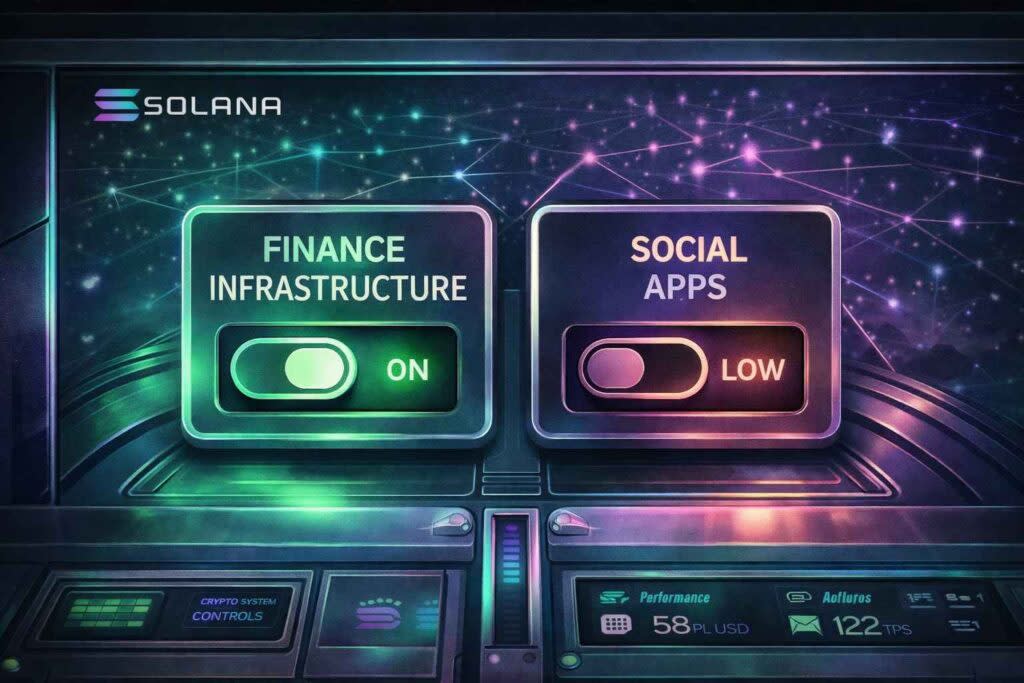
You generally have two paths: Layer 2 (L2) networks built on Ethereum or high-throughput standalone chains. L2s like Base and Arbitrum offer Ethereum-level security with significantly lower costs. Standalone chains like Solana offer speed and low fees but operate with different security models and wallet ecosystems.
| Network | Avg. Tx Cost | Avg. Time | Wallet Compatibility |
|---|---|---|---|
| Base (L2) | <$0.01 | <2s | MetaMask, Coinbase |
| Arbitrum (L2) | <$0.01 | <2s | MetaMask, Rabby |
| Solana | <$0.001 | <1s | Phantom, Solflare |
The table above compares the most common options for social infrastructure. Base and Arbitrum are ideal if you want to leverage Ethereum’s vast developer tools and user base. Solana is better if your priority is maximum throughput and minimal cost, though you must account for its different wallet requirements.

Consider your treasury management needs. If you hold native tokens for operations, volatility can impact your runway. Use a live price widget to monitor your selected chain’s native token. If you choose an Ethereum L2, you can use standard wallets like MetaMask. If you choose Solana, you must integrate Phantom or a similar Solana-specific wallet. This choice affects your user onboarding flow significantly. Test the transaction experience yourself before committing to a chain.
Deploy smart contracts for governance
Smart contracts are the backbone of your social crypto infrastructure. They automate the rules of engagement, ensuring that token issuance and voting processes are transparent and immutable. Without a solid on-chain foundation, community trust erodes quickly.
Follow this sequence to deploy your governance layer. We will focus on the Ethereum standard (ERC-20) as it offers the most robust tooling for social tokens, though the logic applies to other EVM-compatible chains.
Start by defining your token’s core parameters. Use OpenZeppelin’s ERC-20 implementation to ensure security. Key decisions include the token name, symbol, total supply, and decimals. For social tokens, you often want minting capabilities to reward early community members, so include the Mintable extension. This allows you to control inflation based on community growth rather than fixing supply at launch.
A token is useless for governance without a voting mechanism. Deploy a simple voting contract that links token holdings to voting power. This is often called "one token, one vote." Ensure your contract calculates votes based on the snapshot of holdings at the time the proposal is created, not the current time. This prevents "vote buying" or manipulation right before a poll closes.
Social tokens require dynamic supply adjustments. Implement a mint function for community rewards and a burn function to reduce supply during events or purchases. Restrict these functions to a multi-sig wallet or the governance contract itself. This ensures that no single individual can inflate the token arbitrarily, maintaining the integrity of the social infrastructure.
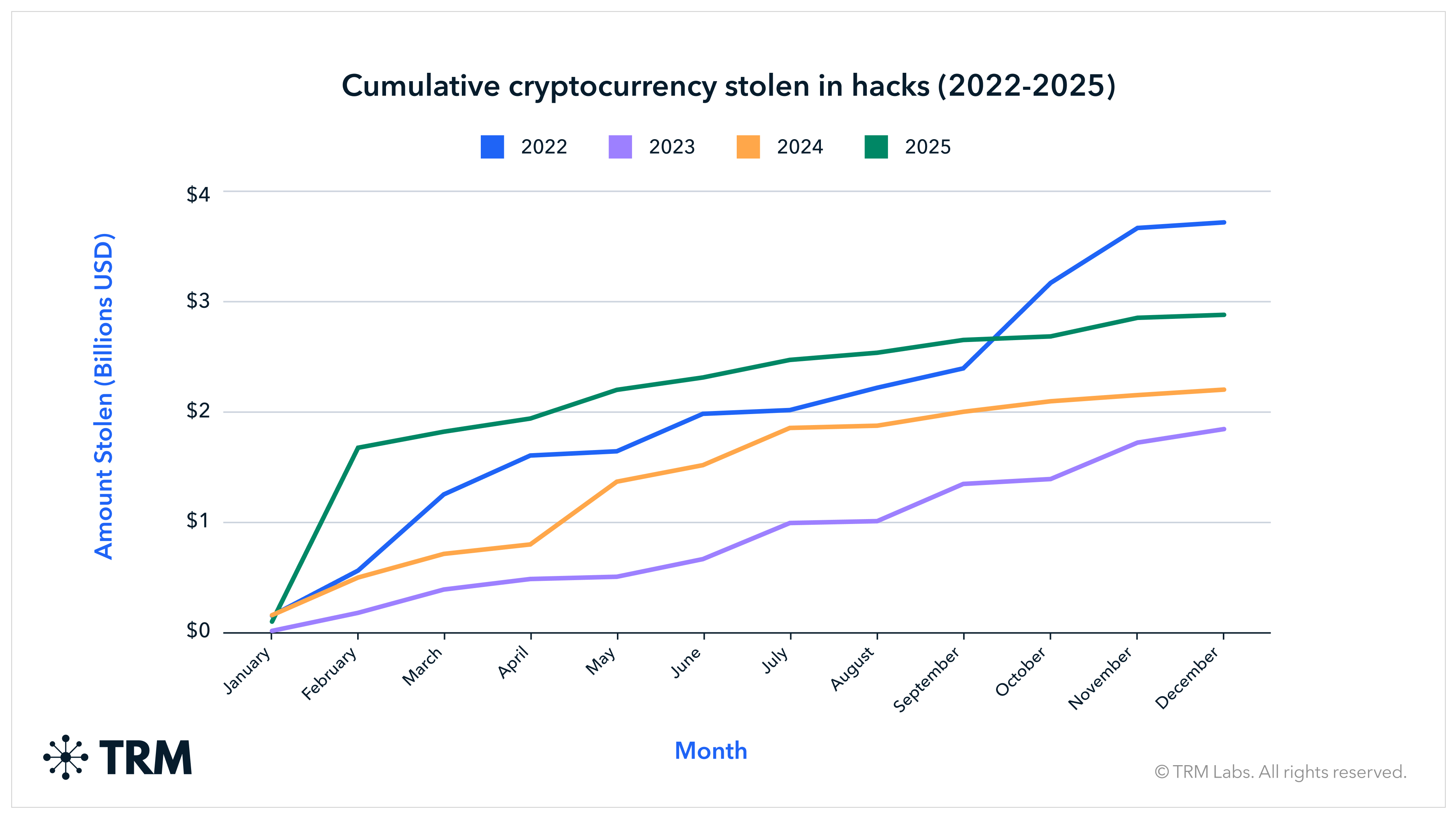
Never deploy directly to mainnet. Use Sepolia or Goerli testnets to simulate your governance flows. Create proposals, cast votes, and execute them. Verify that the voting threshold works as expected and that minting/burning events are logged correctly. This step is critical to avoid costly exploits that could drain community funds.
Once testing is complete, deploy your contracts to the Ethereum mainnet. Verify your source code on Etherscan to ensure transparency. Publish the contract addresses and the token details to your community. This is the moment your social crypto infrastructure becomes live and accessible to holders.
Deploying these contracts is just the beginning. The real work lies in fostering a community that uses these tools to shape the direction of your project. Keep your governance simple at first, and evolve the complexity as your community matures.
Integrate social platforms with onchain data
Bridging traditional social media with onchain identity requires more than just displaying a wallet address. You need to embed interaction points that allow users to sign transactions, verify credentials, or view real-time portfolio data directly within the social interface. This integration turns passive followers into active participants.
Start by selecting a social platform that supports deep linking or embedded widgets. Twitter (X) has begun supporting smart contract interactions directly on the platform, allowing users to share and interact with contracts without leaving the feed. For community-driven platforms like Discord, integrate bots that listen for onchain events and update user roles or channels automatically. This creates a seamless feedback loop between offchain conversation and onchain action.
When connecting these platforms, prioritize security and user experience. Use wallet connectors that support multi-chain verification to prevent users from signing transactions on the wrong network. Clearly display the transaction details before confirmation to avoid costly errors. Remember that users are more likely to engage when the process feels native to the social platform they already use, rather than a clunky external redirect.
By treating social platforms as the frontend and the blockchain as the backend, you create a unified ecosystem. Users can discuss a token on Twitter and immediately view their holdings or execute a trade in the same session. This frictionless experience is essential for driving adoption in 2026.
Set up tax compliance and reporting
Tax liability is the silent killer of social crypto projects. Unlike traditional business expenses, every mint, burn, and secondary sale of your token is a taxable event in the eyes of the IRS. If you treat these transactions as invisible, you will face severe penalties when the agency connects your wallet to your identity through centralized exchanges.
Start by selecting dedicated crypto accounting software. Manual spreadsheets fail because they cannot automatically reconcile on-chain events across multiple wallets and layers. Your software must ingest transaction history from day one, categorizing each event as a sale, exchange, or income. This creates an audit trail that separates your operational costs from capital gains.
Don't wait until tax season to organize your records. Set up a monthly reconciliation process to verify that your software's calculations match your actual wallet balances. This habit prevents the chaos of reconstructing a year's worth of complex DeFi interactions in a single weekend.
Recommended tools for social crypto
Launching social crypto infrastructure requires a stack that balances ease of use with security. Your choice of wallet and analytics determines how safely you interact with the blockchain and how clearly you understand your on-chain footprint.
Wallets and analytics
You need a non-custodial wallet to manage keys and a blockchain explorer to verify transactions. MetaMask remains the standard for Ethereum-based social tokens, while Phantom is the go-to for Solana. For analytics, use tools like Etherscan or Solscan to track contract deployments and token transfers. These platforms provide the transparency needed to audit your own infrastructure before going live.
Deployment and hardware
Deploying smart contracts often involves tools like Hardhat or Foundry for testing and deployment. To protect your private keys during this high-stakes process, consider using a hardware wallet like a Ledger or Trezor. These devices keep your keys offline, ensuring that even if your computer is compromised, your social token infrastructure remains secure.


As an Amazon Associate, we may earn from qualifying purchases.
-
Contract audit completed
-
Liquidity pool setup verified
-
Social media bio links updated
-
Tax software connected
No comments yet. Be the first to share your thoughts!