Defining social tokens for creators
Social tokens are a specialized subset of cryptocurrency designed to monetize personal brands and communities. Unlike Bitcoin or Ethereum, which function as decentralized currencies or smart contract platforms, social tokens derive their value directly from the creator issuing them. They act as digital keys, granting holders access to exclusive content, governance rights, or community status within a specific ecosystem.
The market for these tokens is niche but active. According to CryptoSlate, the social token sector currently holds a market capitalization of approximately $3.44 billion across dozens of assets. This sector dominance remains small relative to the broader crypto market, reflecting its status as an experimental monetization tool rather than a mainstream financial instrument.
For creators, the value proposition lies in direct audience engagement. Holders use these tokens to signal belonging to a particular group or to unlock perks tied to the creator’s brand. This model shifts revenue from traditional advertising or platform-dependent content farms to a direct, token-based economy where the community effectively co-owns a piece of the creator’s influence.
Top platforms for launching social tokens
Choosing the right infrastructure depends on whether you want to build a standalone economy or tap into an existing social graph. Friend.tech, Farcaster, Lens Protocol, and Manifold each serve different creator needs, ranging from speculative trading to long-term community ownership.
Friend.tech
Friend.tech operates on the Base network and focuses on frictionless onboarding. Creators earn fees when users buy their keys, but the model is heavily reliant on short-term speculation. It is best for creators seeking immediate cash flow from a viral moment rather than long-term community building.
Farcaster
Farcaster is a decentralized social protocol that allows developers to build applications on top of a persistent social graph. While it doesn’t have native token issuance built into the core protocol, its “frames” feature enables seamless embedding of crypto actions. This makes it ideal for creators looking to integrate tokens into a broader social experience without managing complex smart contracts.
Lens Protocol
Lens Protocol is a self-sovereign social graph built on Polygon. It gives creators full ownership of their audience data and allows for programmable interactions. Unlike Friend.tech, Lens is designed for long-term community growth. Creators can launch tokens that grant access to exclusive content or governance, making it a robust choice for building sustainable fan economies.
Manifold
Manifold specializes in community-owned organizations and token-gated experiences. It provides tools for creators to mint and manage tokens that represent membership or equity in a creative project. This platform is best suited for creators aiming to decentralize their business model and give their audience a stake in the project’s success.
| Platform | Onboarding | Fee Structure | Liquidity Model | Audience Size |
|---|---|---|---|---|
| Friend.tech | Very Easy | 10% trading fee | Secondary market keys | High (Base network) |
| Farcaster | Moderate | Developer-driven | Frame-based apps | Growing (Warpcast) |
| Lens Protocol | Complex | Low gas (Polygon) | Custom tokenomics | Niche (Web3 natives) |
| Manifold | Moderate | Service fees | Community-governed | Community-focused |
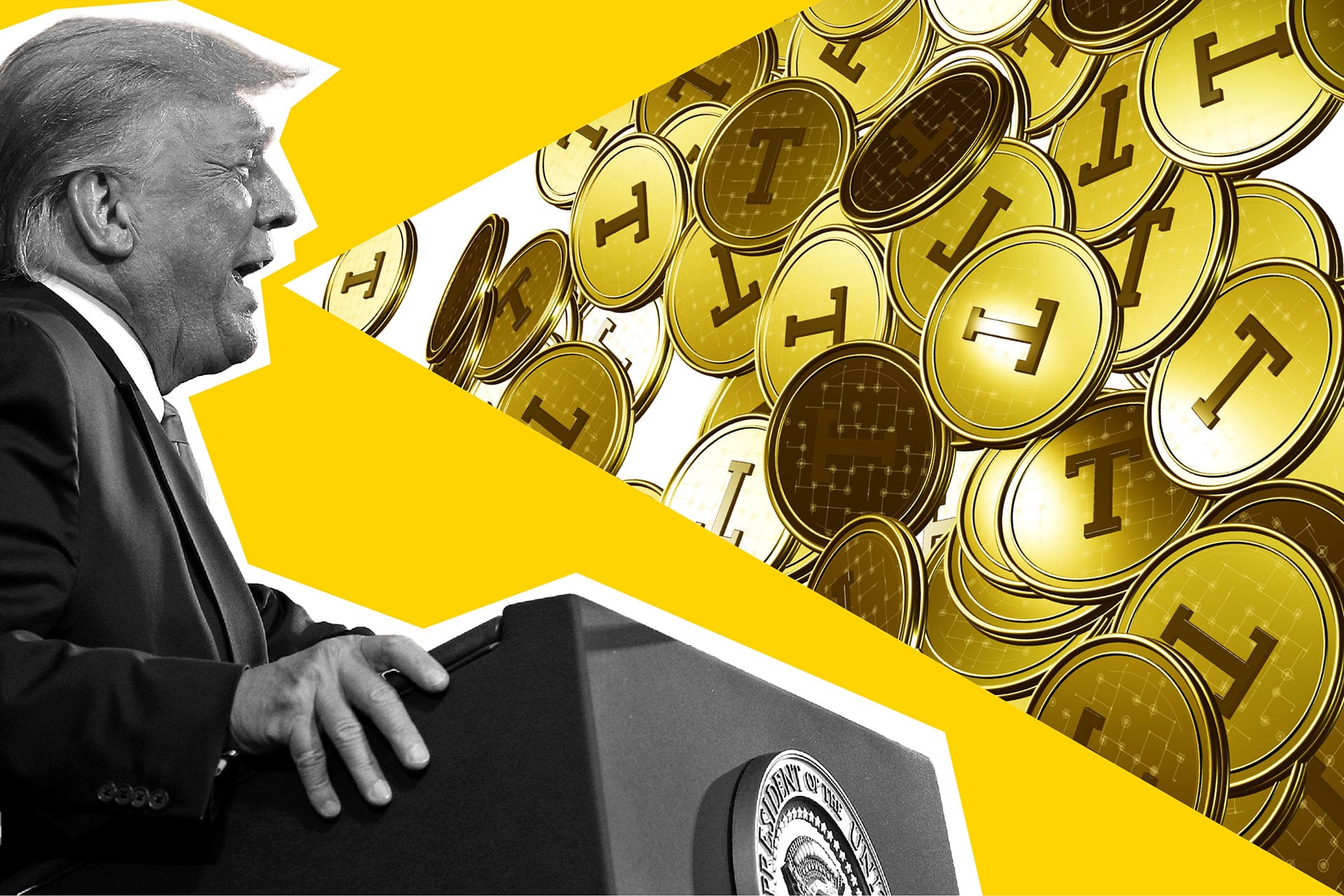
Social token market trends and creator adoption data
The social token sector has settled into a mature, albeit volatile, phase. With a total market capitalization hovering around $3.44 billion, the space represents just 0.16% of the broader crypto market, yet it remains a critical testing ground for creator-led economies. Unlike broader meme coins driven by hype, social tokens are tethered to the real-world influence and output of their creators, making their performance a direct reflection of audience loyalty and brand strength.
Adoption rates have shifted from speculative buying to utility-driven holding. Creators are no longer just issuing tokens for fundraising; they are integrating them into subscription models, exclusive content gating, and community governance. This shift has stabilized the value proposition for holders, who now expect tangible access rather than just price appreciation. The data shows that tokens with active utility features retain holders longer during market downturns compared to those relying solely on community sentiment.
Market sentiment remains cautious but optimistic. Regulatory clarity from bodies like the FCA emphasizes the need for creators to understand the risks before launching, ensuring that compliance is baked into the token's foundation. This oversight has filtered out low-effort projects, leaving a more robust ecosystem for serious creators. The focus is now on sustainable engagement, where the token serves as a key to a community rather than just a speculative asset.
Essential tools for community management
Running a tokenized community requires more than just a Discord server. You need a stack that handles governance, reward distribution, and engagement tracking without breaking the bank or your legal compliance. The right tools turn passive holders into active stakeholders.
Governance and Voting
Snapshot is the standard for gasless voting. It allows creators to propose and vote on community decisions off-chain, saving holders transaction fees while maintaining a transparent record on-chain. For creators managing complex tokenholder structures, Snapshot enables weighted voting based on token balance, ensuring that those with the most skin in the game have the most say.
Reward Distribution
Guild.xyz and Clubhouse are essential for automating access. These platforms connect your wallet to your community channels (like Discord or Telegram) and automatically grant or revoke access based on token holdings. Instead of manually verifying thousands of holders, you set the rules once. When a user buys or sells tokens, the platform updates their access permissions in real-time, keeping your community clean and relevant.
Engagement Tracking
Dune Analytics provides the dashboards you need to visualize community health. You can create custom queries to track active wallet addresses, token velocity, and holder retention over time. Seeing this data helps you identify when engagement drops so you can adjust your content or reward strategies before churn becomes a problem.
Hardware for Secure Management
If you are managing significant token volumes or community treasury funds, securing your private keys is non-negotiable. Hardware wallets provide an offline storage solution that protects your assets from online hacks. Below are recommended setups for secure crypto management.


As an Amazon Associate, we may earn from qualifying purchases.
Risk management and regulatory compliance
Launching a social token is not just a technical deployment; it is the creation of a financial instrument. This distinction triggers a complex web of legal, tax, and security obligations that can make or break your project before it gains traction. Treating compliance as an afterthought is a high-stakes gamble that rarely pays off.
Legal classification and jurisdiction
The first hurdle is determining whether your token is classified as a security, a utility, or a commodity. This classification varies wildly by jurisdiction. In the UK, the Financial Conduct Authority (FCA) maintains a strict stance, warning that cryptoassets are high-risk and largely unregulated. If you operate in or target users from regulated markets, you must navigate these local frameworks carefully to avoid severe penalties.
Tax implications for creators
Issuing tokens often triggers taxable events. Depending on your jurisdiction, the creation, distribution, and secondary sales of your token may be subject to capital gains tax, income tax, or specific crypto-asset reporting requirements. Consulting a tax professional who specializes in digital assets is not optional—it is essential. Misreporting can lead to audits and back taxes that exceed your project’s total valuation.
Security best practices
Security is your last line of defense. Smart contract vulnerabilities are the most common entry point for exploits. Before any public launch, your code must undergo a professional audit by a reputable firm. Additionally, implement multi-signature wallets for treasury management and establish a clear incident response plan. If you are handling user funds or sensitive data, consider integrating insurance products from providers like Fidelity or Coinbase Institutional, which offer custody solutions for digital assets.
Pre-launch compliance checklist
-
Conduct a legal review to determine token classification in target jurisdictions.
-
Consult a tax expert to understand issuance and secondary sale implications.
-
Complete a professional smart contract audit.
-
Implement multi-sig wallet controls for treasury management.
-
Establish a public incident response and disclosure policy.
Market context
Understanding the broader market volatility is part of risk management. Social tokens are often more volatile than major cryptocurrencies. Monitoring market trends can help you time your launch and manage liquidity risks.
Chart showing Coinbase Global Inc. stock performance as a proxy for social crypto market sentiment.
Frequently asked questions about social tokens
How do I buy social tokens?
You can purchase social tokens on major centralized exchanges like Coinbase or specialized platforms like Roller. Ensure the token is listed and compatible with your wallet. Always verify the contract address to avoid scams, as social tokens are high-risk assets with volatile prices.
Are social tokens regulated?
Regulation varies by jurisdiction. In the UK, the FCA warns that crypto assets are unregulated and high-risk. In the US, the SEC evaluates whether tokens qualify as securities. Always consult official regulatory guidelines and understand the legal status in your region before investing.
What are the risks of holding social tokens?
Social tokens are highly speculative and lack the backing of traditional assets. Their value depends heavily on the creator’s reputation and engagement. If the creator loses popularity or faces controversy, the token price can plummet. Never invest more than you can afford to lose.
No comments yet. Be the first to share your thoughts!