Why social crypto matters now
The shift from traditional social media to onchain platforms isn't just a technological upgrade; it's a fundamental change in how value is created and captured. In 2026, the infrastructure supports a model where social interactions directly translate to economic ownership. This isn't about speculation alone; it's about aligning incentives between creators, communities, and the platforms they use.
Traditional platforms treat user engagement as data to be sold. Onchain social platforms treat engagement as equity. When you contribute content, curate discussions, or build a community, you're not just generating ad impressions—you're participating in a network whose value you can hold. This structural difference is what makes social crypto a viable strategy for monetization, not just a niche experiment.
The market context reflects this maturation. We're seeing increased liquidity and more sophisticated trading patterns for social tokens and related assets. Understanding the broader market dynamics is essential for any strategy built on these platforms.
This environment requires a new kind of social crypto strategy. It's less about chasing viral moments and more about building sustainable, onchain-native communities that have clear economic pathways. The tools are there, the infrastructure is robust, and the opportunity is real for those who understand how to navigate this new landscape.
Core infrastructure for onchain growth
A social crypto strategy relies on a technical stack that removes friction between a user's social intent and their onchain actions. Without this backbone, community engagement remains siloed in traditional platforms, disconnected from the ownership and monetization mechanisms that define Web3. The infrastructure must prioritize low-cost transactions, intuitive identity management, and verifiable content storage.
Wallets and Identity
Self-custodial wallets serve as the primary interface for user interaction, replacing traditional login systems with cryptographic keys. Modern strategies leverage account abstraction (ERC-4337) to allow social recovery and gas sponsorship, lowering the barrier to entry for non-technical users. This shift transforms the wallet from a complex tool into a seamless identity layer, enabling seamless social logins and cross-platform reputation portability.
Layer 2 Scaling
High gas fees on Ethereum mainnet are incompatible with the high-frequency interactions typical of social platforms. Layer 2 (L2) networks like Arbitrum, Optimism, or Base provide the necessary throughput and cost efficiency. These networks settle security on Ethereum while handling transaction execution off-chain, ensuring that minting a post or tipping a creator costs fractions of a cent. This economic model is essential for sustaining active, daily user bases.
Social Protocols and Storage
Content ownership requires decentralized storage solutions like IPFS or Arweave, ensuring that posts and media are not subject to arbitrary takedowns or platform censorship. Social protocols then index and verify this data, creating a permissionless graph of social interactions. This infrastructure allows users to own their audience and content, monetizing directly through tokens or NFTs without intermediary platforms taking a significant cut.

Essential social crypto tools for creators
Managing an onchain presence requires more than just posting updates. Creators need a stack that handles community engagement, content tokenization, and cross-platform analytics. The right tools turn scattered social signals into a cohesive growth engine.
Social Media Management and Analytics
Platforms like LuvKaizen and Ninjapromo offer specialized services for crypto creators who need to maintain visibility across X, Discord, and Telegram. These tools help streamline content scheduling and track engagement metrics that matter, such as wallet interactions and token holder sentiment. Using a dedicated social media management platform ensures your brand voice remains consistent while you focus on product development.

Content Tokenization and Fan Engagement
To monetize directly, creators are turning to platforms like Friend.tech and Guild.xyz. These tools allow you to tokenize access to your content or community. Instead of relying on ad revenue, you can sell keys or memberships that grant holders exclusive access to your private channels or early project insights. This creates a direct economic link between your audience and your work.
Automation and Trading Signals
For creators who also trade or manage portfolios, automation is key. Cryptohopper provides a marketplace of strategies that can execute trades based on social sentiment or technical indicators. While not a social tool per se, integrating trading automation with your social strategy allows you to react to market movements without being glued to charts. This separation of duties lets you focus on community building while the bot handles execution.



As an Amazon Associate, we may earn from qualifying purchases.
Validate your social crypto strategy with real data
Before scaling a social crypto strategy, you need to prove it works. Hype cycles are fast, but they don't pay the bills. You must ground your approach in actual engagement metrics rather than vanity numbers like follower counts or likes.
Research shows that social signals can significantly influence cryptocurrency performance. A study published in PMC highlights how trading strategies that incorporate social media data alongside traditional signals often outperform those relying on price action alone. This isn't just about buzz; it's about sentiment analysis that predicts market movement.
To validate your strategy, compare key platforms on metrics that matter: user growth, active daily users, and token velocity. Use the table below to benchmark where your community stands against industry standards.
| Platform | Key Metric | Industry Benchmark |
|---|---|---|
| Twitter/X | Engagement Rate | 1-3% |
| Discord | Active Members | >10% of total |
| Telegram | Message Volume | >500/day |
Once you have your baseline, track how these metrics correlate with your token's price action. If your social engagement rises but your on-chain volume stagnates, your strategy needs adjustment. Don't guess—measure.
Building a sustainable monetization workflow
Social signals drive crypto performance, but they don't pay the bills on their own. To turn engagement into revenue, you need a structured workflow that connects audience growth to onchain actions. This approach treats social media not just as a megaphone, but as the primary distribution layer for your monetization strategy.
Start by identifying what "monetization" means for your specific project. Are you driving volume to a DEX, selling NFTs, or promoting a subscription-based signal service? Clear goals dictate your content strategy. Without a defined target, social engagement remains vanity metrics that don't translate to wallet activity.
Structure your social posts to guide users through a conversion path. Top-of-funnel content builds awareness, while mid-funnel educational posts establish trust. Bottom-funnel content should include direct calls to action, such as "Join the Discord" or "Buy the token." Each piece of content must have a specific role in moving users toward a purchase or participation.

Use UTM parameters and unique referral links to track which social channels drive actual transactions. This data reveals which platforms yield the highest ROI. If Twitter drives clicks but Discord drives sales, you can reallocate resources accordingly. Tracking is essential for optimizing your social crypto strategy over time.

For token-based projects, integrate smart contracts that automatically distribute rewards or access based on social engagement. This could mean airdropping tokens to active community members or gating exclusive content behind a social verification step. Automation reduces friction and makes the monetization process seamless for the user.
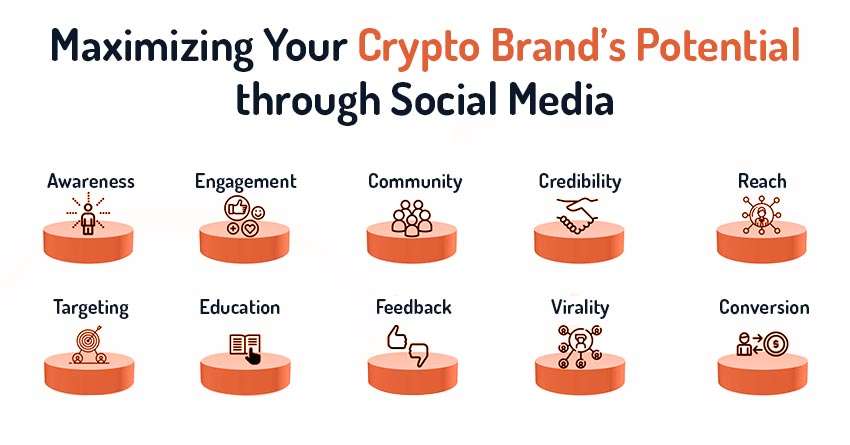
Social trends move fast. Review your analytics weekly to see which content formats are driving the most onchain activity. Adjust your strategy based on real data, not gut feeling. Consistent iteration ensures your monetization workflow remains effective as market conditions and user behaviors evolve.
Frequently asked: what to check next
Which social crypto strategy is the most profitable?
Profitability depends on market conditions and risk tolerance. Day trading captures daily volatility, while HODLing focuses on long-term appreciation. Arbitrage exploits price differences across exchanges, and swing trading rides broader trends. High-frequency trading uses algorithms for quick profits, but requires significant technical infrastructure.
How does social media data impact crypto trading?
Research indicates that social media engagement can serve as a signal for trading strategies. By analyzing sentiment and engagement metrics alongside traditional data, traders may identify emerging trends or shifts in market sentiment before they are fully reflected in price action.
Is social trading in crypto safe?
Social trading emphasizes community and knowledge sharing, allowing users to follow experienced traders. However, it carries inherent risks. Past performance of copied traders is not indicative of future results, and you remain responsible for your own capital. Always verify the track record and risk management style of any trader you choose to follow.
No comments yet. Be the first to share your thoughts!