Defining social crypto strategy
Traditional social media marketing focuses on off-platform engagement: chasing likes, retweets, and follower counts to drive traffic to a website or app. It is a broadcast model where the audience is passive and the value exchange is one-way. Social crypto strategy operates on a different premise entirely. It leverages onchain identity and ownership to create a direct, verifiable relationship between the project and its community.
In this context, "social" does not just mean posting content. It means integrating with the blockchain's native infrastructure. Users interact through wallets, hold tokens that grant governance rights, and participate in decentralized autonomous organizations (DAOs). This shifts the dynamic from marketing to community governance and economic alignment.
The distinction matters because the incentives are fundamentally different. Traditional marketing aims to convert attention into sales. Social crypto strategy aims to align incentives so that community members become stakeholders. When users own a piece of the protocol, their advocacy is organic and economically reinforced. They are not just an audience; they are part of the infrastructure.
While traditional platforms can ban accounts or change algorithms arbitrarily, onchain data is immutable. A user's history of contributions, token holdings, and governance votes is permanently recorded. This transparency allows for more nuanced community building, where trust is built through verifiable actions rather than curated profiles.
Understanding this shift is critical for any project looking to build sustainable growth in 2026. The tools and metrics are different. Success is measured not just by engagement rates, but by active wallet addresses, token velocity, and governance participation. The strategy must be built on these onchain realities from the start, not bolted on as an afterthought.
Core infrastructure for onchain growth
Building a social crypto strategy requires more than just community hype; it demands a reliable technical stack. The infrastructure acts as the backbone, connecting user identity, protocol interaction, and data verification. Without this foundation, monetization efforts remain fragile and disconnected from actual onchain activity.
Wallets and Identity
The entry point for any social crypto interaction is the wallet. Modern strategies rely on account abstraction (ERC-4337) to simplify user experience, allowing for social recovery and sponsored transactions. This reduces friction for non-technical users while maintaining security. Protocols like Safe or Argent provide the necessary tools to manage these accounts at scale.
Protocol Layers
Smart contracts handle the logic for rewards, governance, and content verification. Choosing the right protocol layer depends on the desired level of decentralization and cost efficiency. Layer 2 solutions like Arbitrum or Optimism are often preferred for social applications due to lower gas fees, enabling micro-transactions that would be prohibitive on Ethereum mainnet.
Data and Indexing
Onchain data is messy and unstructured. Indexing protocols like The Graph or SubQuery are essential for querying this data efficiently. They allow developers to build real-time dashboards and user interfaces that reflect accurate token balances, transaction history, and social engagement metrics. Without robust indexing, the user experience lags, leading to churn.

Market Context
The health of the underlying infrastructure often correlates with market sentiment. Monitoring the volume and activity of major social crypto protocol tokens can provide insights into developer engagement and user adoption. A TechnicalChart widget below visualizes this activity, helping you gauge the current state of the ecosystem.
Monetization models for creators
The shift from traditional social media to onchain platforms changes the fundamental relationship between creators and their audiences. Instead of renting attention from centralized algorithms, creators can build direct ownership structures. This section breaks down the three primary monetization vectors: token-gated access, subscription models, and direct equity or token ownership.
| Model | Creator Control | Audience Liquidity | Entry Barrier |
|---|---|---|---|
| Traditional Subscription | Low (Platform Dependent) | High (Fiat) | Low |
| Token-Gated Access | High (Smart Contract) | Variable (Token Price) | Medium (Wallet Setup) |
| Direct Token Ownership | Very High (DAO/Token) | High (Exchange) | High (Technical) |
Token-Gated Access
Token-gating uses non-fungible tokens (NFTs) or fungible tokens as membership keys. This model allows creators to verify ownership instantly without third-party intermediaries. The value proposition shifts from content consumption to community participation. Holders often gain access to exclusive channels, early product drops, or governance rights.
The primary advantage is self-custody. Users control their access keys, reducing churn caused by platform bans or algorithm changes. However, the user experience can be friction-heavy. New users must set up wallets, bridge funds, and manage gas fees, which can deter casual followers.

Subscription Models
Onchain subscriptions mirror traditional Patreon or Substack models but settle in stablecoins or native tokens. This approach offers predictable recurring revenue while maintaining the transparency of blockchain ledgers. Smart contracts can automate revenue splits, ensuring that collaborators or investors receive their share instantly.
While less complex than token launches, these models still require users to engage with crypto infrastructure. The appeal lies in the lower fees compared to traditional payment processors and the ability to offer tiered access based on wallet history or token balance.
Direct Token Ownership
The most advanced model involves issuing a creator-specific token or launching a Decentralized Autonomous Organization (DAO). Here, the audience becomes a stakeholder. They benefit from the platform's growth through token appreciation, not just through content consumption.
This model aligns incentives perfectly but carries significant regulatory and technical risk. It requires robust legal structuring and community management. For high-stakes financial decisions, creators must ensure compliance with securities laws, particularly if the token is marketed as an investment contract.
Executing the social crypto strategy
Building a social crypto initiative requires more than just launching a token; it demands a structured workflow that aligns community engagement with technical infrastructure. The following steps outline a practical approach to launching and scaling your project, ensuring you maintain compliance and drive genuine adoption.
Start by clearly defining the utility of your token within the social ecosystem. Whether it grants access to premium content, voting rights in governance, or rewards for content creation, the value proposition must be tangible. Avoid creating a token with no clear purpose, as this often leads to low retention and speculative dumping. Align your supply model with long-term sustainability rather than short-term hype.

Select a platform or framework that supports your specific needs. For many projects, this means integrating with existing social graphs or building a dedicated app that prioritizes user privacy and data ownership. Ensure your smart contracts are audited by reputable firms before deployment. Technical reliability is paramount; a single exploit can destroy community trust instantly. Use provider-backed widgets to monitor your token’s performance against broader market trends.
Instead of a broad public launch, begin with a curated group of early adopters. These seed users should be influencers, developers, or active community members who can provide feedback and generate initial content. This phase allows you to test your onboarding flow and identify bugs in a controlled environment. Reward these early contributors with exclusive roles or tokens to foster a sense of ownership and loyalty.
As your user base grows, transition to a more open governance model. Allow token holders to vote on key decisions, such as treasury allocation or protocol upgrades. This transparency builds trust and decentralizes control, which is a core value proposition of social crypto. Use comparison tables to evaluate different governance tools and ensure they align with your project’s scale and complexity.

Continuously track key performance indicators such as daily active users, token velocity, and engagement rates. Use these metrics to refine your strategy and address pain points. Stay adaptable; the social crypto landscape evolves rapidly, and what works today may not work tomorrow. Regularly review your approach against industry benchmarks and adjust your tactics to maintain growth and relevance.
Navigating Market Volatility and Risk
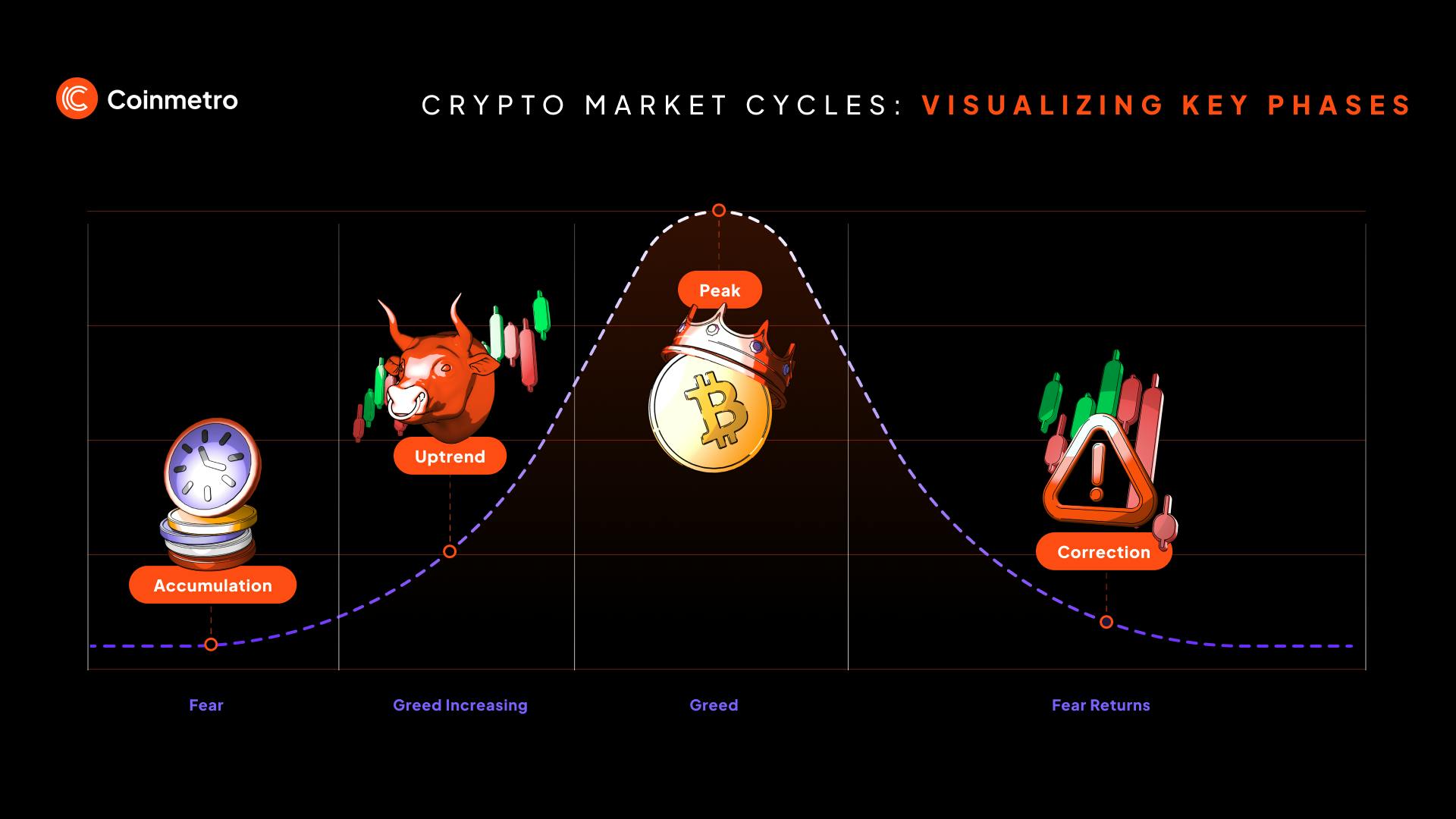
Social crypto strategies operate in a high-stakes environment where volatility is the only constant. Unlike traditional equities, crypto markets can swing violently based on regulatory news or shifts in social sentiment. This unpredictability demands a disciplined approach to risk management, treating volatility not as a bug, but as the core mechanic of the market.
Regulatory considerations add another layer of complexity. As governments worldwide refine their frameworks, compliance becomes a critical component of any long-term strategy. Relying on official sources and primary data ensures that your decisions are grounded in reality rather than speculation. For those looking to understand the mechanics of these swings, resources like Quantified Strategies provide backtested insights into how sentiment-driven strategies perform across different market cycles.
No comments yet. Be the first to share your thoughts!