Defining social crypto strategy for creators
To build a sustainable income in 2026, you need to stop thinking of social media as a billboard and start treating it as a distribution layer for on-chain assets. There is a major difference between social trading and the infrastructure that actually powers creator monetization. Most people confuse the two, but the distinction matters for your bottom line.
Social trading is about copying other traders. It’s a community-driven way to make investment decisions by following the moves of others. Platforms like Zignaly or Phemex connect you with traders whose performance you want to mirror. It’s useful for investors, but it doesn’t help you build a brand or retain revenue from your own audience.
Social crypto infrastructure is different. It’s the technology that lets you issue tokens, manage memberships, or handle payments directly to your community. Instead of renting attention from Instagram or YouTube, you own the relationship. When you hold the keys to your community’s access and rewards, you aren’t at the mercy of algorithm changes or demonetization policies.
This shift is about moving from passive followership to active ownership. Your audience isn’t just watching your content; they are participating in your ecosystem. This is the foundation of creator-led commerce, where value flows directly between you and your supporters, bypassing the traditional middlemen.
Tracking market sentiment with technical charts
Technical analysis isn't just for day traders; it's a vital feedback loop for creator-led brands. When you launch a token or manage a community asset, price action tells you what your audience actually believes, not just what they say in comments. By overlaying social volume data with price charts, you can spot the difference between organic hype and coordinated manipulation.
Start by monitoring established assets like Bitcoin (BTC) or Ethereum (ETH) to understand baseline market sentiment. These charts serve as a control group. If your community token spikes while BTC is flat, that’s a strong signal of genuine community interest. Conversely, if your token follows BTC’s downtrend despite high social engagement, your community might be reacting to macro fear rather than brand loyalty.
Use provider-backed charts to track these correlations in real time. Look for divergences where social mentions rise but price stagnates—this often indicates "paper hands" or low-intent engagement. When social volume and price move in tandem, you have a healthy, sustainable growth pattern. This data helps you time announcements, reward loyal holders, and adjust your content strategy based on actual market behavior rather than guesswork.
Essential tools for social crypto infrastructure
You cannot build a loyal community on a foundation of scattered links and manual spreadsheets. Social crypto infrastructure is the backbone of creator monetization, turning casual followers into active token holders. The right tools automate the heavy lifting—token distribution, community gating, and analytics—so you can focus on content and engagement.
This section breaks down the specific software and hardware solutions that power this ecosystem. We are looking at the practical stack: platforms for launching and managing social tokens, community engagement hubs, and the hardware necessary to secure your assets.

Token launch and community platforms
The first layer of infrastructure is the platform that issues your social token and manages the community around it. These tools replace the need for custom smart contracts for most creators, offering white-label solutions that integrate directly with Discord, Telegram, or Twitter.
Friend.tech remains a primary example of a social token infrastructure. It allows creators to tokenize their profiles, where followers buy "keys" to access exclusive content or direct messaging. The platform handles the ERC-20 token mechanics on Base, abstracting away the blockchain complexity for the user. For creators, this means immediate liquidity and a clear revenue stream from key sales.
Galxe and Zealy serve as the engagement layer. These platforms gamify community participation through quests and badges. While they do not issue tokens directly, they are essential for verifying on-chain activity. Creators use these tools to reward early adopters with NFTs or token airdrops, ensuring that your community is active and verified before you launch a paid tier.
Hardware security for creators
If you are managing significant treasury funds or holding large amounts of social tokens, software wallets are not enough. You need cold storage solutions that keep your private keys offline. This is not just for whales; any creator with a sustainable monetization strategy needs a hardware wallet to secure their earnings.
When selecting hardware, prioritize devices that support Ethereum and its Layer 2 networks (like Base or Arbitrum), as most social tokens live on these chains. Look for devices that offer a clean, intuitive interface for signing transactions, as you will be interacting with these tools frequently.


![Billfodl [BUNDLE] Ledger Nano S Hardware Wallet for Seed Words BackUp | The Best Crypto Wallet + Cold Wallet for Crypto Compatible with BIP39 Wallets. Store your Bitcoin, Ethereum, ERC20 and more](https://m.media-amazon.com/images/I/71lncpzcfkS._AC_UY654_QL65_.jpg)
As an Amazon Associate, we may earn from qualifying purchases.
Analytics and monitoring
Finally, you need to track the performance of your token and community. Social crypto infrastructure is incomplete without data. You need to know who holds your token, how they are voting (if you have a DAO structure), and where your traffic is coming from.
Dune Analytics allows you to build custom dashboards that track on-chain metrics specific to your token. Token Terminal provides broader financial data if you are running a more complex protocol. For social sentiment, tools like LunarCrush can help you correlate social media mentions with price action, giving you a real-time pulse on your brand's health.
Comparing the infrastructure stack
Choosing the right combination of tools depends on your current stage. Early-stage creators might start with just a launchpad and a hardware wallet. Established brands will need the full stack: launchpad, engagement platform, and advanced analytics.
| Tool | Primary Use | Complexity | Cost |
|---|---|---|---|
| Friend.tech | Token issuance & key sales | Low | Transaction fees only |
| Galxe | Community quests & airdrops | Low | Free tier available |
| Ledger Nano X | Hardware security | Low | ~$150 one-time |
| Dune Analytics | Custom on-chain dashboards | High | Free / Premium |
Live pricing and asset performance
Understanding the current value of major assets like Bitcoin and Ethereum is essential for creators building a social crypto strategy. These prices aren't just numbers; they represent the real-time liquidity and community interest that underpin creator monetization. When your audience engages with your content, they are often reacting to these live market shifts.
The chart below shows Bitcoin's recent price action. For creators, tracking these movements helps time announcements, token launches, or community rewards to align with peak interest periods.
Ethereum's performance is equally important, especially if your strategy involves smart contracts or NFTs. Its volatility can create distinct opportunities for community growth and brand building.
Launch Checklist for Social Crypto Strategy
Building a social crypto infrastructure requires more than just posting; it demands a structured rollout that balances legal compliance with community incentives. This workflow moves from foundational legal checks to active community onboarding, ensuring your tokenomics support long-term brand building rather than short-term speculation.
Before issuing any tokens, consult legal counsel to understand securities laws in your target markets. Regulatory frameworks vary significantly, and non-compliance can halt your project instantly. Focus on clear disclosures and avoid making promises of financial returns to keep your project in the utility or community space.
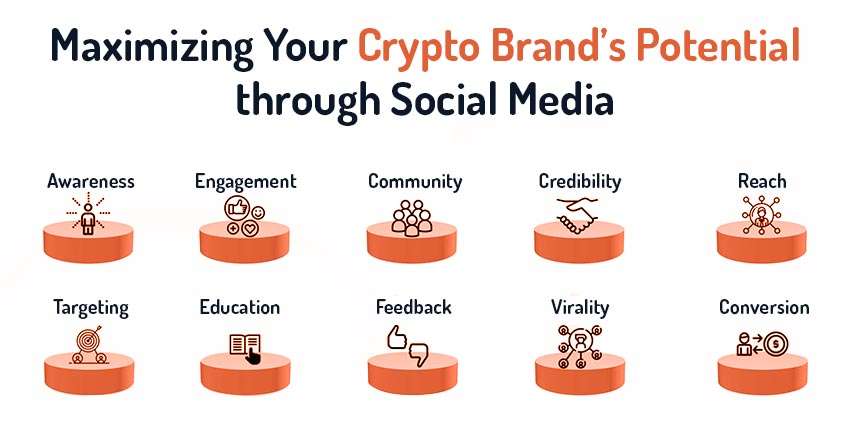
Define the utility of your social token clearly. Is it for access, governance, or rewards? Ensure the supply model prevents excessive inflation that could devalue holder benefits. A balanced tokenomics model aligns creator incentives with community growth, making the token a genuine tool for engagement rather than a speculative asset.

Start with a dedicated Discord or Telegram group for early adopters. Offer exclusive content or early access to token holders to foster a sense of belonging. Social tokens thrive on perceived value and community identity, so prioritize genuine interaction over broadcast-style marketing.
Align your token launch with a series of high-value content drops. Use your social channels to announce utility features, such as gated communities or special merchandise, that token holders can access immediately. Consistent, high-quality content reinforces the token's utility and keeps the community engaged post-launch.

Track holder activity and sentiment regularly. Use analytics to see which content drives token purchases or engagement. Adjust your strategy based on real data, not assumptions. Successful social crypto strategies evolve with their community, so remain flexible and responsive to feedback.
This checklist provides a framework for launching a sustainable social crypto strategy. By prioritizing legal safety and community value, you create a foundation for long-term monetization and brand loyalty.
Frequently asked questions about social tokens
What is social cryptocurrency? A social token is a cryptocurrency issued by a creator or brand to monetize their community. Unlike standard assets, these tokens function as membership passes, allowing holders to access exclusive content, vote on community decisions, or unlock special perks. The value is tied directly to the brand’s reputation and the engagement of its audience, effectively turning followers into stakeholders.
What is the most profitable crypto strategy for creators? While day trading or arbitrage are common in general markets, the most profitable strategy for creators is building a loyal community around a social token. Research indicates that social media engagement significantly influences cryptocurrency performance, suggesting that sustained community interest drives long-term value more effectively than short-term speculation. By focusing on brand building and utility, creators create a sustainable revenue stream rather than relying on market volatility.
Can social tokens replace traditional sponsorships? Yes, but they work best as a complement. Social tokens allow creators to earn directly from their audience through token sales and secondary market royalties, reducing reliance on brand deals. This model aligns incentives: when the community thrives, the token value rises, benefiting both the creator and the holders. It shifts the relationship from transactional sponsorship to a shared ecosystem.
No comments yet. Be the first to share your thoughts!