Why creators need cold storage
When your income depends on social tokens, NFT drops, or high-volume transactions, your wallet is your vault. Hot wallets connected to your browser or phone are convenient, but they are always online—and always exposed. A single compromised password, a phishing site, or a malicious smart contract interaction can drain your earnings in seconds.
Hardware wallets like Ledger and Trezor solve this by generating and storing your private keys on a physical device. Even if your computer is infected with malware, the keys never leave the device. You sign transactions on the hardware unit itself, which then broadcasts the signed data to the blockchain. This means your actual secret keys remain safe, even if the interface you use to interact with them is compromised.
For creators managing significant assets, this isn't just a best practice—it's a necessity. Relying on hot wallets is like keeping your business bank account on a sticky note in your desk drawer. Secure monetization requires secure storage, and cold storage is the only way to ensure your hard work stays yours.
Top hardware wallets for 2026
Choosing the right hardware wallet is the first step in securing your social crypto assets. As a creator, your digital identity and monetization tools are your livelihood, making cold storage non-negotiable. You need a device that balances high-stakes security with the flexibility to manage multiple chains and NFTs without friction.
The market has matured significantly. Early devices were clunky and limited to Bitcoin and Ethereum. Today’s top contenders support dozens of blockchains, offer intuitive interfaces for NFT management, and provide seamless connectivity for social platforms. Below, we evaluate the current leaders based on security architecture, multi-chain support, and creator-friendly features.
Ledger Nano X
The Ledger Nano X remains a top choice for creators who need mobility. Its Bluetooth connectivity allows you to manage assets directly from your phone, which is essential for social crypto workflows where quick transactions are common. It supports over 5,500 coins and tokens, including major NFT standards on Ethereum, Solana, and Polygon.
Security is handled by a certified Secure Element chip, the same technology used in passports and credit cards. The device’s interface is clean and straightforward, reducing the learning curve for those new to hardware wallets. However, the proprietary Ledger Live software can feel restrictive for advanced users who prefer open-source alternatives.
Trezor Model T
For creators who prioritize transparency and open-source software, the Trezor Model T is the gold standard. Its touchscreen interface makes navigating complex NFT collections and verifying transaction details on-chain much easier than on older LED-screen devices. It supports a wide range of cryptocurrencies and integrates well with third-party wallets like MetaMask and Rabby.
The Model T features a built-in keyboard, allowing you to enter your recovery seed directly on the device. This mitigates the risk of keyboard loggers on compromised computers. While it lacks Bluetooth, its desktop connectivity is robust, making it ideal for creators who primarily manage assets from a workstation.
Tangem Wallet
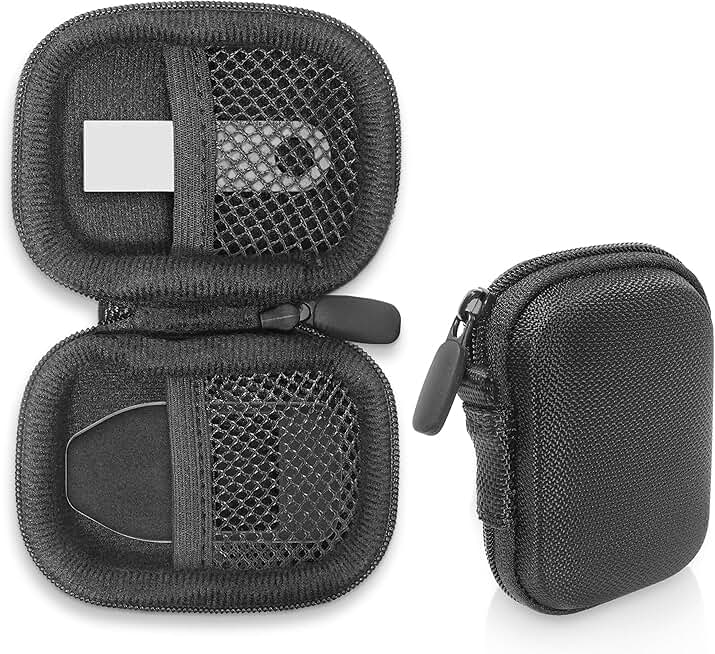
Tangem offers a radically different approach: a card-shaped wallet that requires no screen or battery. It uses NFC technology to communicate with your smartphone, making it one of the most user-friendly options available. This simplicity is a double-edged sword; while it’s incredibly easy to use, it lacks the physical button confirmation found on traditional devices, which some security purists may find less reassuring.
Tangem supports over 70 blockchains and allows you to carry multiple wallets in your pocket. Each card is a separate wallet, so if you lose one, your other assets remain safe. This modularity is particularly useful for creators who separate their operational funds from long-term holdings.


As an Amazon Associate, we may earn from qualifying purchases.
Comparison of Key Features
| Feature | Ledger Nano X | Trezor Model T | Tangem Wallet |
|---|---|---|---|
| Connectivity | USB-C, Bluetooth | USB-C | NFC |
| Display | Small LCD | Touchscreen | None |
| Multi-Chain | Yes (5,500+) | Yes (1,800+) | Yes (70+) |
| NFT Support | Good | Excellent | Good |
| Security Chip | CC EAL6+ | Open Source | Secure Element |
The best hardware wallet for you depends on your workflow. If you need to manage assets on the go, the Ledger Nano X or Tangem Wallet are strong contenders. If you prioritize security transparency and a rich interface for NFTs, the Trezor Model T is the superior choice. Regardless of your pick, always purchase directly from the manufacturer to avoid supply chain attacks.
Key Features for Social Token Management
When you are managing social tokens or participating in community-driven economies, your hardware wallet needs to do more than just store static assets. The interface between your cold storage and the Web3 social layer must be fluid. If your device struggles to communicate with decentralized applications (dApps) or social platforms, you effectively lock yourself out of the monetization tools you are trying to protect.
Native NFT and Social Token Support
Social tokens are often minted as NFTs or custom ERC-20 tokens on chains like Ethereum, Polygon, or Solana. A wallet that only supports Bitcoin or basic Ethereum balances is insufficient for this use case. You need a device that can display and manage these specific token standards without requiring complex workarounds.
Look for hardware wallets that offer native support for major NFT marketplaces and social token protocols. This ensures that when you transfer a social token or an associated NFT, the metadata remains intact and the transaction is recognized correctly by the receiving platform. Without this native support, you risk losing access to your community assets or facing failed transactions that leave funds stranded.
Staking and Yield Integration
Many social tokens and their underlying governance tokens offer staking rewards. This is a critical feature for creators looking to monetize their community actively. Your hardware wallet should allow you to interact with staking contracts directly from the device interface. This means you can verify the staking parameters—such as lock-up periods and reward rates—on the device’s small screen before signing the transaction.
This direct interaction prevents you from accidentally signing malicious smart contracts that might drain your rewards or expose your private keys. By keeping the signing process within the hardware wallet, you maintain the security benefits of cold storage while still participating in yield-generating activities. This balance is essential for long-term monetization strategies.
Web3 Social Platform Compatibility
The final requirement is seamless compatibility with the Web3 social platforms you use. Whether you are posting on Lens, Farcaster, or a custom DAO forum, your wallet must integrate smoothly with these environments. This integration allows you to sign messages and transactions without leaving the platform, ensuring a consistent user experience.
Check the wallet manufacturer’s compatibility list before purchasing. Ensure it supports the specific chains and dApp browsers required by your social platforms. A wallet that is not compatible with your primary social tool will create friction, potentially causing you to miss out on time-sensitive opportunities or community events. Prioritize wallets with broad dApp browser support to future-proof your setup as the social crypto landscape evolves.
Setting up your secure workflow
Your hardware wallet is only as strong as the way you handle it. Setting up the device correctly ensures that your social crypto monetization remains secure from the start. This process is straightforward but demands strict attention to detail.
Connect your hardware wallet to your computer using the provided USB cable. Open the companion software from the manufacturer’s official website to begin the setup wizard. Choose the option to set up as a new device rather than restoring from a backup.

Your seed phrase is the master key to your funds. Write down the 12 or 24 words exactly as they appear on the device screen. Store this paper in a fireproof safe or a secure location. Never store it digitally, take a photo, or type it into any computer or phone.
The device will ask you to re-enter specific words from your list to prove you recorded them correctly. Do not rush this step. If you enter the wrong word, the device will reset, and you will lose access to your wallet. Double-check every word against your paper.
Ensure your device is running the latest firmware version. Check the manufacturer’s website for the most recent software release. Updating your firmware patches security vulnerabilities and adds new features that protect your assets.

Before moving significant funds, send a small amount of crypto to your new address. Verify that you can receive it successfully. Then, attempt to send it back to your main exchange or another wallet. This confirms your setup is working correctly.
Keeping your software updated is a simple habit that prevents many common security issues. By following these steps, you create a solid foundation for your digital asset management.
No comments yet. Be the first to share your thoughts!