What social crypto means for creators
Social crypto, or SocialFi, merges the connectivity of social media with the financial infrastructure of blockchain. Instead of treating your audience as a metric to be sold to advertisers, you treat them as stakeholders in a shared economy. This shift moves value from centralized platforms back to the users who create and consume content.
For creators, this means owning your community. On traditional platforms, you rent your audience; if the algorithm changes or your account is banned, your income vanishes. With social crypto, you build on-chain. Your followers are often token holders or members of a decentralized autonomous organization (DAO), giving them a direct stake in your success and your revenue streams.
This isn't just about selling NFTs. It's about restructuring how value flows. When you launch a creator token or a membership pass, you aren't just selling access; you are distributing equity in your personal brand. The community becomes your marketing team, your investor base, and your customer, all rolled into one.
The infrastructure is already here. Protocols allow for seamless tipping, token-gated content, and revenue-sharing models that bypass traditional payment processors. You keep more of what you earn, and your audience gets a tangible reason to stay engaged long-term.
Top infrastructure tools for onchain growth
Building a social crypto presence isn't just about posting content; it's about wiring your community to a functional economy. The right infrastructure lets you move from passive followers to active stakeholders. In 2026, the focus has shifted from hype to utility, with tools designed to handle identity, engagement, and value transfer seamlessly.
Wallets: Your Digital Identity
Your wallet is no longer just a storage box for tokens; it's your passport across the decentralized web. Modern wallets like MetaMask, Rabby, and Phantom support multiple chains and integrate directly with social dapps. They allow you to sign messages for login, approve transactions for token transfers, and display your onchain reputation (like Soulbound Tokens) as part of your profile.
Choosing a wallet that supports account abstraction (ERC-4337) is particularly useful for creators. It allows for gasless transactions and social recovery, making it easier for non-crypto-native followers to interact with your content without getting bogged down by technical friction.
Social Tokens: Monetizing Loyalty
Platforms like Friend.tech and Friend.tech alternatives have popularized the concept of social tokens. These are ERC-20 tokens tied to your identity, allowing fans to buy, sell, and hold a piece of your online presence. Holding these tokens often grants access to exclusive content, direct messaging, or real-world events.
For creators, this creates a direct monetization layer that bypasses traditional ad revenue models. It aligns incentives: as your community grows and the token value increases, both you and your holders benefit. However, it requires careful management to ensure the token remains a badge of honor rather than a speculative asset that alienates long-term supporters.
Decentralized Platforms: Owning Your Audience
Centralized social media algorithms control who sees your content. Decentralized social protocols like Lens Protocol and Farcaster give you ownership. Your followers and content are stored on-chain or in decentralized storage (IPFS/Arweave), meaning you can move your audience to any frontend application that supports the protocol.
This portability is crucial for long-term growth. If one platform changes its rules or shuts down, your community and content remain intact. You can build a custom frontend, use a third-party client, or even create your own app, all while keeping your social graph intact.

Comparing Infrastructure Tools
The table below highlights the key differences between major infrastructure components to help you choose the right stack for your needs.
| Tool Type | Primary Function | User Ownership | Monetization Model |
|---|---|---|---|
| MetaMask/Rabby | Multi-chain wallet & identity | Full control of keys | Indirect (access to dapps) |
| Friend.tech | Social token issuance | Platform-governed | Direct token sales & trading fees |
| Lens Protocol | Social graph storage | On-chain (portable) | Flexible (any frontend can implement) |
| Farcaster | Decentralized social feed | On-chain (portable) | Frames & app-specific integrations |
Structured revenue streams for 2026
The era of passive tipping is fading. In 2026, creators are moving toward structured monetization models that tie revenue directly to community engagement and value delivery. This shift transforms followers into stakeholders, creating predictable income streams rather than relying on sporadic donations.
Token-gated content and subscriptions
Token-gating has matured beyond simple access keys. Platforms now allow creators to issue utility tokens that grant access to exclusive newsletters, Discord channels, or early product drops. Unlike traditional subscriptions, these tokens can be traded, giving members an exit liquidity option that traditional SaaS models cannot offer. This flexibility increases the perceived value of the subscription, as holders can recoup costs if they lose interest.
Profit-sharing and social trading
For creators with a track record in finance or gaming, profit-sharing models offer a powerful alternative. Instead of charging a flat fee, creators share a percentage of the profits generated by their strategies or community investments. As noted by industry analyses, this approach mitigates the flaws of traditional copy-trading by aligning incentives more closely between the creator and the participant. The creator earns more only when the community succeeds, fostering trust and long-term retention.
Work-to-earn and bounties
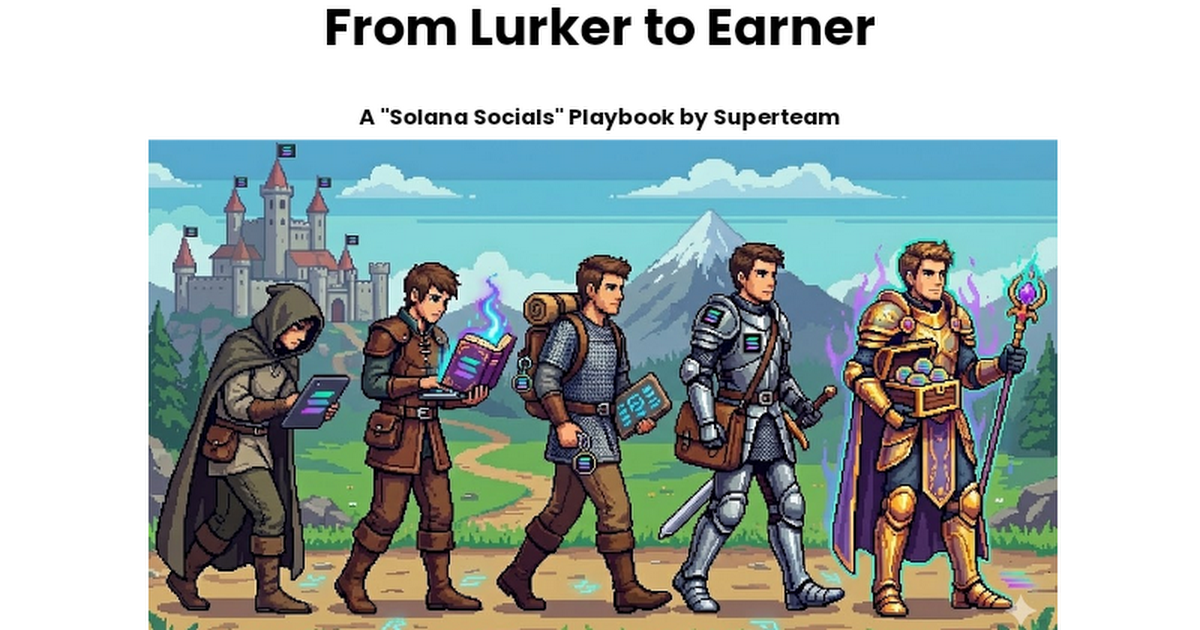
Community-driven projects are increasingly using bounty platforms to monetize their ecosystems. Creators can post tasks—such as content creation, coding, or moderation—and reward contributors with tokens. This "work-to-earn" model turns the audience into a distributed workforce. It not only distributes value but also ensures the project scales organically. The image below illustrates how such platforms facilitate these transactions, connecting creators with contributors in a transparent ledger.
Market context
The viability of these models depends on the underlying asset's stability. Creators must monitor the market performance of their chosen tokens to ensure their revenue streams remain valuable. For instance, tracking major social tokens or related crypto assets helps creators adjust their pricing and tokenomics in real-time.
The current state of social crypto
The social crypto market has shifted from speculative hype to a more grounded infrastructure layer. For creators, this means the focus is no longer just on token price appreciation, but on sustainable engagement tools and clear regulatory pathways. Understanding where the market stands helps you choose platforms that will still be around in 2026.
Market volume in the social token sector has stabilized after the volatile cycles of 2022-2023. Adoption rates are now driven by utility—access to exclusive content, governance rights, and community governance—rather than pure speculation. Major players like FET (Fetch.ai) and ENJ (Enjin) continue to lead in market capitalization, but the real growth is happening in niche communities building their own tokenized economies.
Regulatory clarity is slowly improving, particularly in regions like the U.K., where fintech playbooks are being adapted for crypto assets. This provides a safer environment for creators to monetize without fearing sudden legal crackdowns. As the market matures, the tools available for creators are becoming more sophisticated, offering better analytics and direct monetization features.
To visualize this trend, look at the performance of leading social tokens. The chart below shows the recent price action of Fetch.ai (FET), a key player in the AI and social crypto intersection. This data reflects broader market sentiment and can help you gauge investor interest in social crypto projects.
Market data at a glance
Tracking the right metrics is essential for creators. While general crypto market trends matter, social tokens often move independently based on community activity and platform updates. Here are the current market indicators for key social crypto assets:
These widgets provide real-time data, allowing you to make informed decisions about which platforms to invest your time and energy into. Remember, market data is just one part of the equation; community engagement and content quality remain the primary drivers of long-term success.
Key questions for creators
Essential toolkit for new creators
You don't need a degree in cryptography to start, but you do need the right gear. Think of this like setting up a home studio: you can't record clear audio with a broken microphone. In the social crypto space, your "studio" is your wallet, and your "microphone" is the software that lets you interact with the blockchain.
Start with a hardware wallet. It's the only way to keep your assets safe from the phishing attempts that plague social platforms. Pair that with a browser extension wallet for daily interaction, and you have a secure, functional setup. If you're managing multiple social accounts or communities, a multi-sig wallet adds an extra layer of security by requiring multiple approvals for transactions.


As an Amazon Associate, we may earn from qualifying purchases.
Don't overlook analytics tools. Platforms like Dune Analytics or Nansen can help you track your community's growth and token performance. These tools turn raw blockchain data into readable charts, helping you make informed decisions about your content strategy and tokenomics. Without them, you're flying blind in a market that moves faster than Twitter trends.
Checklist for launching your social crypto project
Launching a social crypto project requires more than just posting on X or Telegram. It demands a structured approach to tokenomics, community governance, and technical infrastructure. Use this step-by-step checklist to ensure you hit the ground running without missing critical compliance or security steps.
Before writing a single line of code, document how your token functions. Will it grant voting rights, access to premium content, or revenue sharing? Clearly define the total supply, vesting schedules for team tokens, and initial distribution to early community members. Ambiguity here is the fastest way to lose trust.

Never manage project funds from a single private key. Set up a multisignature wallet (like Safe) requiring multiple approvals for transactions. This protects your community’s assets from single points of failure or compromised keys. Connect this wallet to your project’s official social channels to prove authenticity.
Write your smart contracts for token issuance and any staking or governance features. Then, hire a reputable firm to audit the code. An unaudited contract is a liability. Publish the audit report on your website and social profiles to signal security and professionalism to early adopters.
Define how decisions are made. Will proposals be submitted on Snapshot? Will they require a minimum token balance to vote? Draft clear guidelines for what constitutes a valid proposal and how disputes are resolved. Transparent governance prevents community fragmentation later.
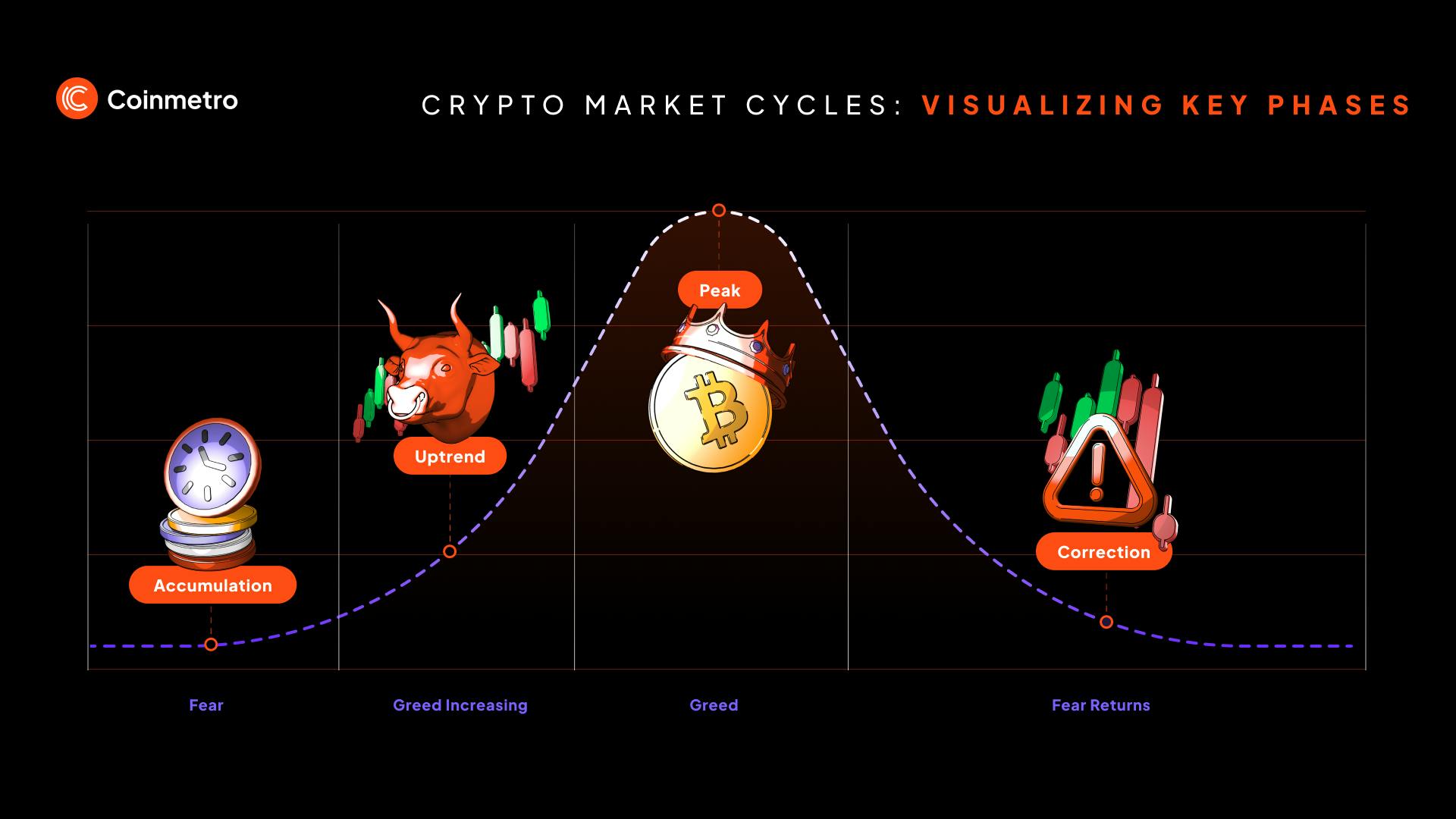
Coordinate your token launch with a community onboarding campaign. Use your social channels to explain the utility defined in step one. Provide clear tutorials on how to buy, hold, and use the token. Ensure your Discord or Telegram has active moderators ready to answer questions in real-time.
No comments yet. Be the first to share your thoughts!