Defining social tokens and onchain identity
Social tokens are crypto assets tied to a creator’s brand or community, allowing fans to hold a stake in their ongoing success. Unlike Bitcoin, which functions as decentralized currency, or Ethereum, which powers smart contracts, social tokens derive their value from the digital reputation and influence of a specific individual or group.
These tokens serve as a mechanism to monetize onchain identity. They can be personal, issued by a single creator to reward their audience, or community-based, representing collective governance within a decentralized autonomous organization (DAO). The value of a social token revolves around the brand issuing it, and holders use them as a way to feel belonging to a certain group.
The social token sector currently represents a small fraction of the broader crypto market. According to CryptoSlate, the sector's market capitalization stands at approximately $3.86 billion, accounting for just 0.18% of total asset dominance. This low market share highlights that while the concept is gaining traction, it remains a niche experiment in digital ownership.
Investing in these assets carries high-stakes risk. Because the token's value is intrinsically linked to the creator's public standing, any damage to their reputation can instantly erode the token's price. This creates a volatile environment where financial gain is directly correlated with social capital, making due diligence on the issuer's long-term viability essential.
Tracking social token market performance
The social token sector is a high-stakes environment where market cap can shift dramatically based on community sentiment rather than traditional fundamentals. With the total market capitalization for social assets hovering around $3.86 billion, these tokens represent a tiny fraction (0.18%) of the broader crypto landscape, yet they carry outsized volatility risks for holders.
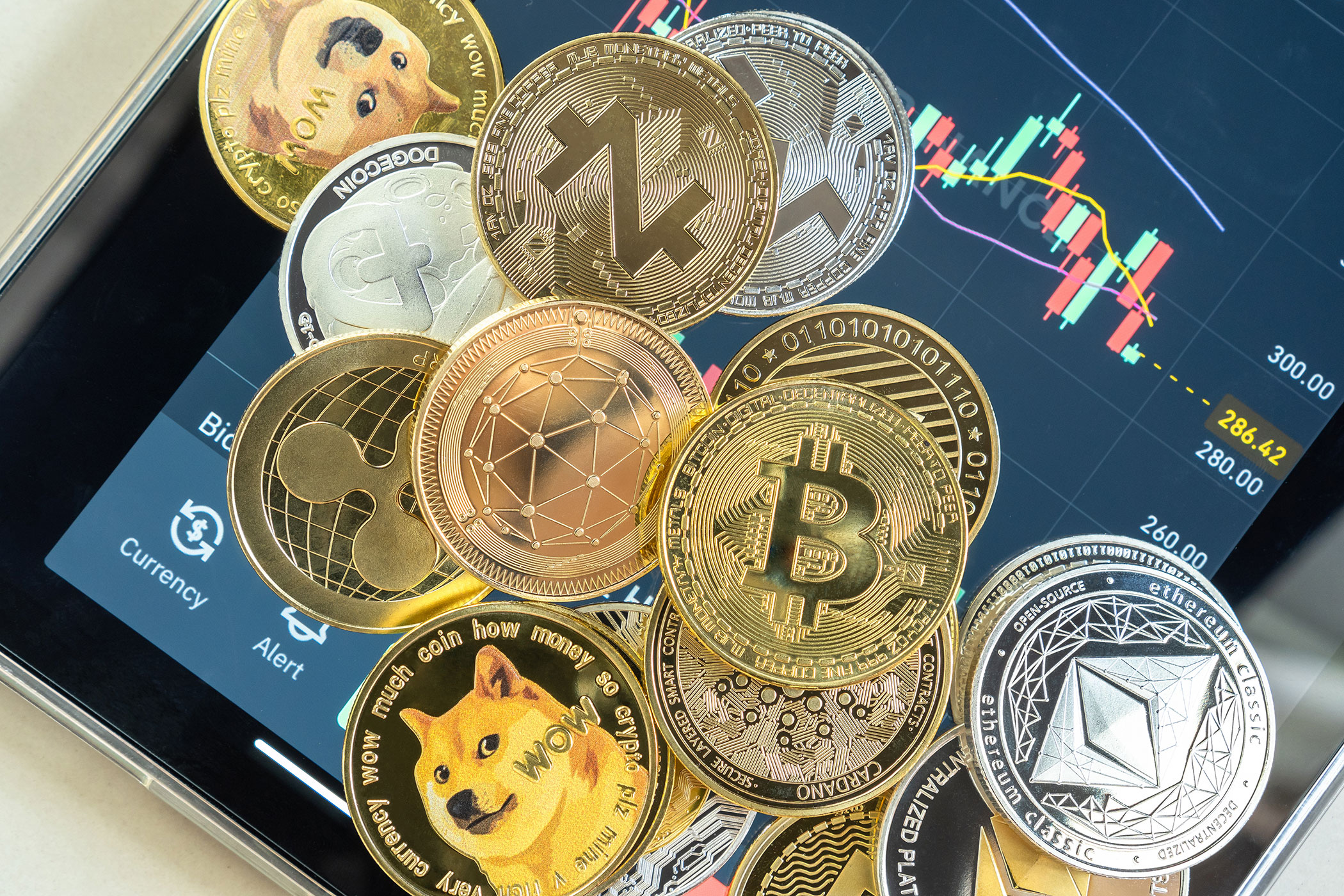
To understand the current state of onchain identity monetization, we must look at the leading assets that define this niche. These tokens function less like utility coins and more like speculative equity in a creator's brand, making their price action highly sensitive to external social media trends and platform algorithm changes.
The following chart illustrates the recent volatility of a leading social token, highlighting the sharp swings that characterize this asset class. This price action underscores why tracking social token market performance requires real-time data rather than historical averages.
Live price feeds for top-tier social tokens reveal the immediate liquidity available to traders. Unlike stablecoins or major caps, social tokens often experience wider spreads and lower depth, meaning large trades can significantly impact the token's price. This dynamic creates both opportunity and risk for anyone looking to monetize their onchain identity.
Choosing the right token issuance model
When launching a social token, you are essentially choosing who holds the reins. The two primary models are creator-controlled and community-governed. This decision dictates everything from your revenue split to how you handle crises.
In a creator-controlled model, you retain full ownership and decision-making power. This is the standard for most influencer tokens today. It offers speed and simplicity but concentrates risk. If the creator’s reputation fades, the token value often crashes with it. There is little buffer between the brand and the asset.
Community-governed models distribute power through DAOs or token voting. This builds deeper loyalty and decentralizes risk. However, it introduces complexity. Decision-making slows down, and internal conflicts can fracture the community. You must decide if you want a loyal tribe or a streamlined business.
The table below outlines the structural differences between these approaches.
| Feature | Creator-Controlled | Community-Governed |
|---|---|---|
| Decision Speed | Fast | Slow |
| Revenue Split | 100% to creator | Shared via DAO |
| Risk Exposure | High (centralized) | Lower (distributed) |
| Community Loyalty | Transactional | High (ownership) |
For most new entrants, a creator-controlled model is the safer starting point. It allows you to validate demand without the overhead of governance infrastructure. As your community matures, you can transition to hybrid models where core holders gain voting rights on specific perks.
Tracking performance
Once you choose a model, you need to monitor how the market reacts. Use live data to track volume and price action against broader market trends.
Build your onchain identity
Your wallet is no longer just a digital wallet; it is your resume, your portfolio, and your ticket to exclusive communities. In 2026, monetizing your social crypto presence requires proving you are a real, consistent human. This is done by layering onchain identity protocols that together build a reputation score brands and communities trust.
Start by registering an Ethereum Name Service (ENS) domain. A .eth name replaces your cryptic wallet address with a human-readable identity. This is the first step in establishing credibility. If your wallet address looks random, high-value opportunities will likely ignore you. ENS provides a permanent, verifiable anchor for your onchain persona.

Proof of Attendance Protocol (POAP) badges serve as verifiable receipts of your engagement. Whether you attended a virtual conference, joined a DAO vote, or participated in a specific community event, these badges sit in your wallet as immutable proof. Collecting relevant POAPs signals to potential partners that you are active and invested in the ecosystem, not just a passive observer.

To unlock higher-tier monetization, you must prove you are a unique human and not a bot. Decentralized Identity (DID) solutions and Sybil-resistant verification protocols allow you to generate credentials without revealing your legal name. This "proof of personhood" is critical for accessing gated content, exclusive token airdrops, and high-yield community roles that require real human participation.

Finally, connect your existing social media accounts to your verified wallet. Platforms like Lens Protocol or Farcaster allow you to migrate your social graph onchain. This creates a portable reputation that travels with you across applications. When brands evaluate you for partnerships, they look at this onchain social graph to assess your reach and influence, turning your follower count into a monetizable asset.
Building this identity infrastructure takes time and consistency. There is no shortcut to building genuine onchain reputation. However, once established, it becomes a durable asset that opens doors to token-gated opportunities, exclusive partnerships, and direct monetization streams that are unavailable to anonymous wallets.
Navigating regulatory risks and compliance
The regulatory environment for social crypto is shifting rapidly, and what works in one jurisdiction may trigger a compliance violation in another. For creators, ignoring these nuances isn't just risky—it can be existential. A sudden classification change can freeze assets, invalidate token utility, or trigger retroactive penalties that dwarf your revenue.
The primary danger lies in the ambiguity of classification. Many social tokens function as community access keys, but regulators often view them through the lens of traditional finance. If a token promises profit or appreciation based on the efforts of the creator, it may be deemed a security. This distinction matters because securities regulations impose strict reporting, disclosure, and holding requirements that most independent creators cannot meet.
Official sources emphasize that understanding the baseline rules is non-negotiable. The UK's Financial Conduct Authority (FCA) explicitly warns that investors need to understand the basics and risks before engaging with crypto assets, a principle that applies equally to issuers. Similarly, academic analyses from institutions like Duke University highlight that crypto exposure requires more than just technical knowledge; it demands a grasp of the legal landscape governing these digital assets.
To protect your revenue, you must adopt a proactive compliance strategy. This means verifying the legal status of your token in every major market where your audience resides. It also means maintaining clear records of token distribution and utility to defend against potential scrutiny. In a high-stakes environment, compliance is not a barrier to creativity—it is the infrastructure that allows your creative economy to survive.
Frequently Asked Questions About Social Crypto
What is social cryptocurrency?
A social token is a cryptocurrency designed to monetize a brand or creator identity. Unlike standard cryptocurrencies that function primarily as currency or store of value, social tokens are tied to the reputation and community of their issuer. Holders use these tokens to signal belonging to a specific group or to access exclusive content. The value is directly linked to the brand's ongoing engagement and influence.
How do social tokens differ from regular crypto?
Regular cryptocurrencies like Bitcoin operate on decentralized networks with broad, global utility. Social tokens are permissioned or semi-permissioned assets where the issuer often retains significant control. While Bitcoin’s value comes from scarcity and network adoption, a social token’s value is speculative and tied to the creator’s personal brand or community activity. If the creator’s reputation declines, the token’s value typically follows.
Are social tokens safe to buy?
Social tokens carry high risk due to their liquidity and volatility. The market cap for the social sector is relatively small ($3.86B), meaning large trades can significantly move prices. Because these assets are often tied to individual reputations, they are susceptible to sudden drops if a creator faces controversy or loses relevance. They should be treated as high-risk speculative assets, not stable investments.
Can I earn money from social tokens?
Yes, but profits are not guaranteed. Creators can raise capital by issuing tokens, while holders may profit if the token’s value appreciates. However, many social tokens have no intrinsic utility beyond community access. Traders often speculate on short-term hype cycles rather than long-term value. Always research the token’s utility, liquidity, and the issuer’s track record before investing.
No comments yet. Be the first to share your thoughts!