Defining social crypto strategy
Social trading and social crypto are often conflated, but they serve fundamentally different purposes. Social trading is primarily about copying trades. It relies on community knowledge sharing and performance enhancement, allowing users to mirror the actions of more experienced traders. It is a mechanism for executing financial moves based on collective sentiment.
Social crypto, however, is about onchain identity and value creation. It is not just about what you trade, but who you are in the ecosystem. This approach democratizes access through decentralization and transparency, turning community engagement into a tangible asset.
For 2026, a monetization-focused strategy must prioritize this second definition. Copying trades is a passive activity with high risk and limited upside. Building social capital onchain is an active investment in your own digital reputation. It shifts the focus from reacting to market noise to creating genuine value within the network.
This distinction is critical because it changes how you measure success. In social trading, success is measured in pips and profit percentages. In social crypto, success is measured in influence, trust, and onchain activity. The former is a gamble; the latter is a business model.
Monitoring social sentiment signals
Building a Social Crypto Strategy for works best as a clear sequence: define the constraint, compare the realistic options, test the tradeoff, and choose the path with the fewest hidden costs. That order keeps the advice usable instead of decorative. After each step, pause long enough to check whether the recommendation still fits the reader's actual situation. If it depends on perfect timing, unusual access, or a best-case budget, include a simpler fallback.
The simplest way to use this section is to write down the real constraint first, compare each option against it, and choose the path that still works outside ideal conditions.
Technical tools for onchain social infrastructure
The infrastructure supporting social crypto has shifted from simple messaging apps to complex onchain ecosystems. Creators and traders now rely on wallets that double as identity layers, DAOs that manage treasury assets, and social graphs that tokenize influence. These tools allow users to execute strategies with greater transparency, but they also introduce new points of failure.
Choosing the right platform requires understanding how each handles governance and monetization. Below is a comparison of leading infrastructure providers to help you evaluate their fit for your specific needs.
| Provider | Wallet Integration | Governance Model | Monetization Tools |
|---|---|---|---|
| Farcaster | EVM (MetaMask, Rabby) | Decentralized protocol | Frames, Casts with tips |
| Lens Protocol | EVM (Polygon) | DAO-governed contracts | Profile NFTs, Posts |
| Mirror | EVM (Base, Polygon) | Community proposals | NFT publications, Memberships |
| Friend.tech | EVM (Base) | Centralized backend | Key trading, Profiles |
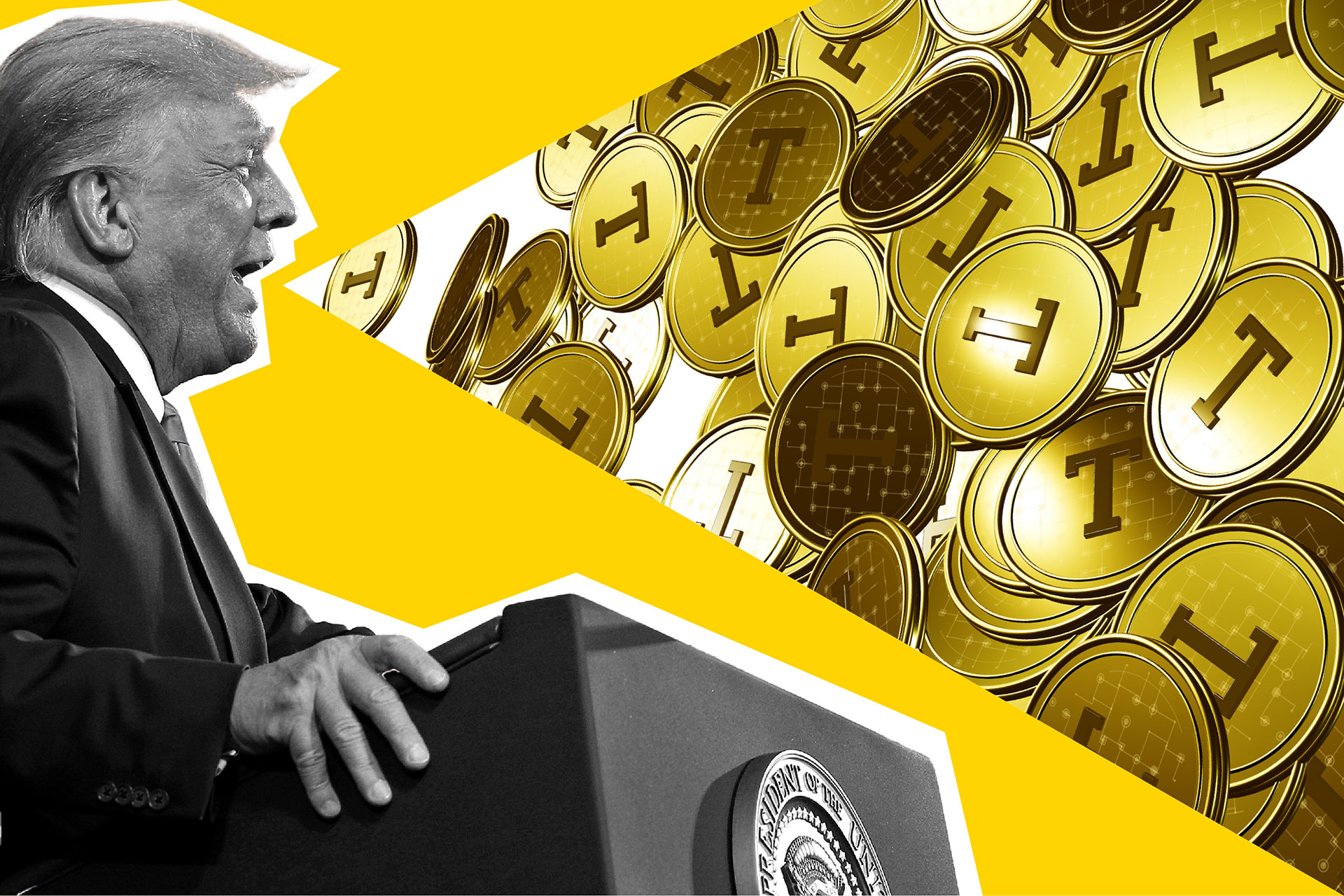
The image below illustrates the broader market context surrounding these infrastructure plays. While the visual captures the high-stakes nature of the sector, the technical details above remain the primary focus for execution.
Risk management is paramount when interacting with these systems. Unlike traditional social media, where account bans are the primary risk, onchain social infrastructure exposes users to smart contract vulnerabilities and wallet compromise. Always verify contract addresses and use hardware wallets for significant positions.
The IE University notes that crypto economics generates social value through democratization and transparency, but this comes with the burden of self-custody. You are your own bank, your own moderator, and your own security team. This autonomy is the core promise of social crypto, but it requires a higher level of technical diligence than any offchain alternative.
Executing monetization strategies
Turning social influence into sustainable revenue requires more than just posting about market trends. You need a structured approach that aligns with your audience's trust. The most effective methods for 2026 involve direct ownership models, such as token launches, and recurring value exchanges like memberships or affiliate partnerships. Each model carries distinct risks and regulatory considerations that must be managed carefully.
Token launches and community ownership
Issuing a utility token can deepen engagement by giving your audience a stake in the ecosystem. This model works best when the token provides clear utility, such as access to premium research, voting rights on community initiatives, or fee discounts on partnered services. However, token launches are heavily scrutinized by regulators like the SEC and the FCA. Treat this not as a marketing gimmick but as a serious financial instrument. Ensure your smart contracts are audited and your whitepaper clearly distinguishes between utility and investment potential to avoid securities violations.
Memberships and exclusive content
A subscription-based membership model offers predictable revenue and filters for high-intent followers. Platforms like Patreon or specialized crypto-native tools allow you to offer tiered access. Higher tiers might include direct access to you, weekly market breakdowns, or early alerts on new opportunities. The key is consistency. Your members are paying for clarity in a noisy market. If you miss deadlines or provide generic advice, churn will rise quickly. Focus on delivering actionable insights that save time or reduce risk for your subscribers.
Affiliate and referral partnerships
Affiliate marketing remains a low-barrier entry point for monetization. By partnering with reputable exchanges, wallets, or educational platforms, you earn commissions when your audience signs up or trades. This approach works best when you genuinely use and recommend the tools. Transparency is critical; always disclose these relationships clearly. Avoid promoting high-risk, unverified protocols simply for higher commission rates. Your reputation is your most valuable asset, and one bad recommendation can erase years of trust.

Managing risk and compliance
High-stakes monetization requires high-stakes risk management. Never promote a product you haven't vetted. Keep detailed records of all endorsements to satisfy potential regulatory audits. Diversify your income streams so that you aren't reliant on a single protocol or exchange. If a partner fails or gets regulated out of existence, your revenue should remain stable. Prioritize long-term sustainability over short-term gains.
Conduct social crypto market research
Before committing capital, you need to separate genuine market signals from noise. Social crypto research is less about reading headlines and more about mapping the flow of sentiment and liquidity across networks. Treat this phase as your primary risk management tool; identifying the right trend early can prevent costly mistakes later.
Start by tracking on-chain activity alongside social volume. Platforms like Glassnode or Santiment provide data on wallet movements and developer activity, which often precedes price action. Cross-reference this with social sentiment scores from tools like LunarCrush. When social volume spikes without corresponding on-chain growth, it often signals a hype cycle rather than sustainable adoption.
Next, validate opportunities by looking for consistency. A single viral tweet rarely sustains a trend. Look for coordinated engagement across multiple platforms—Twitter, Reddit, and Discord—backed by tangible project updates. If the conversation is driven by influencers rather than community builders, the risk of a "pump and dump" is significantly higher.
Finally, establish a baseline for your own risk tolerance. Use the 1% rule: never risk more than 1% of your total portfolio on any single social-driven trade. This framework ensures that even if your social research is wrong, the impact on your overall financial health remains manageable.
Social crypto strategy FAQs
These answers address the most common questions about building a social crypto strategy, focusing on risk management and realistic expectations.
No comments yet. Be the first to share your thoughts!