What social crypto means now
Social crypto shifts ownership of digital identity and content from platforms back to users. Unlike traditional social media where data is rented, social crypto infrastructure allows you to control your followers, reputation, and creative work onchain. This creates an open, interoperable social graph where users are stakeholders, not products.
The core difference lies in the onchain layer. Social crypto platforms use blockchain technology to make digital assets verifiable and transferable. You can take your audience and creative history with you, or monetize them directly without a middleman taking a significant cut. This shift creates a new economic layer for social interaction, aligning incentives through tokens or direct micropayments rather than selling user data to third parties.
As we explore this space, it is important to distinguish between the hype of token prices and the actual utility of the infrastructure. The real value in social crypto comes from its ability to create open, interoperable social graphs. The New York Times has noted the emergence of "crypto social clubs" and other non-financial uses that leverage these underlying networks, highlighting that the utility extends beyond simple speculation.
The technical backbone of social crypto
Building a social crypto platform requires a reliable technical foundation. This infrastructure layer handles everything from processing transactions to verifying user identity. Without these components, social interactions on the blockchain would be too slow, expensive, or insecure for everyday use.
Layer 2 scaling solutions
Most social crypto applications run on Layer 2 (L2) networks rather than the main Ethereum chain. L2s process transactions off the main chain and then bundle them, sending only the final result back to Ethereum. This reduces costs significantly and increases speed, making it feasible to handle thousands of social interactions per second.
Projects like Arbitrum and Optimism are leading this space. Their token performance often reflects the health of the broader social crypto ecosystem. When activity on these networks grows, it signals increased adoption of social features like tipping, content monetization, and decentralized governance.
Social tokens and identity
Beyond scaling, social crypto relies on identity protocols and token standards. Identity protocols allow users to control their digital reputation across different platforms without relying on a central authority. This "portable identity" is crucial for building trust in decentralized communities.
Social tokens, on the other hand, allow creators and communities to issue their own currency. These tokens can represent access to exclusive content, voting rights, or community membership. They turn social capital into a tangible asset, aligning incentives between creators and their audiences.
Why infrastructure matters for the social crypto guide
Understanding these layers is essential for anyone exploring the social crypto guide. The technology dictates what is possible. If the underlying infrastructure is fragmented or slow, user experience suffers. As these protocols mature, we will see more seamless integration between social media and financial tools, creating a new model for online interaction.
Creator monetization models
Turning social influence into onchain revenue requires moving beyond simple ad revenue. Creators in the social crypto space leverage direct financial relationships with their audience through subscriptions, tips, and token-gated content. These mechanisms allow for immediate, borderless value exchange without traditional platform intermediaries taking large cuts.
Subscriptions and recurring revenue
Subscription models provide predictable income by offering exclusive access to content, communities, or tools. Platforms like Friend.tech or Lens Protocol enable creators to sell access keys or shares, effectively turning their social graph into a tradable asset. Followers pay a recurring fee or one-time cost to join private Discord servers, access premium newsletters, or receive direct messages. This model shifts the power dynamic, allowing creators to earn directly from their most engaged followers rather than relying on algorithmic reach.
Tips and microtransactions
Microtransactions and tipping offer a low-friction way for audiences to support creators in real-time. During live streams or social posts, viewers can send cryptocurrency directly to the creator’s wallet. This method is particularly effective in the social crypto guide context because it removes banking delays and international fees. Tools like Lightning Network integration or Solana-based tipping bots make these transactions nearly instantaneous and costless, encouraging spontaneous support for high-quality content or helpful advice.
Token-gated content and NFTs
Token-gated content uses non-fungible tokens (NFTs) or specific cryptocurrency holdings as access keys. Holding a specific NFT in a wallet grants entry to exclusive forums, early product launches, or proprietary data sets. This approach not only monetizes access but also aligns incentives; holders benefit from the creator’s success while gaining tangible utility. It creates a loyal community of stakeholders who are financially invested in the creator’s growth and reputation.

Onchain Growth Tactics
Growing an audience in the social crypto guide space requires shifting from vanity metrics to onchain data. Traditional social media growth relies on followers, but crypto growth is measured by wallet holders and active participants. This distinction changes how you build community incentives and leverage airdrop mechanics.
Airdrop Mechanics
Airdrops are not just free tokens; they are targeted acquisition tools. By distributing tokens to users who have interacted with your protocol, you convert casual visitors into vested community members. This strategy aligns user incentives with your project's long-term success.
Community Incentives
Token-gated access creates exclusivity and value. When community members hold specific tokens or NFTs, they gain access to private channels, early updates, or governance votes. This turns passive followers into active stakeholders who are motivated to promote your project.
Leveraging Onchain Data
Onchain data provides a clear picture of user behavior. You can identify which wallets are most active, which tokens are being held, and how users interact with your smart contracts. This data allows for precise targeting and personalized engagement, moving beyond broad social media blasts.

Risk management and compliance
Building a social crypto guide requires more than just community engagement; it demands a rigorous approach to risk management and compliance. Because the regulatory landscape is shifting rapidly, treating legal adherence as an afterthought is a high-stakes gamble that can jeopardize your entire operation.
Security is the foundation of trust. Implement multi-signature wallets for treasury management and enforce strict KYC (Know Your Customer) protocols for any token-gated content. This isn't just about protecting funds; it's about demonstrating to your audience that you take their assets seriously. A single security breach can erase years of community building overnight.
Stay informed by monitoring official announcements from regulatory bodies like the SEC or FCA. Their guidance on digital assets evolves, and what was compliant last year might be restricted today. Proactive compliance is the only sustainable path for long-term growth in the social crypto space.
Your 2026 social crypto checklist
Building a sustainable social crypto strategy requires more than just posting; it demands a structured approach to community, technology, and compliance. Use this checklist to ensure your social crypto guide implementation is grounded in reality and ready for 2026.
Identify the specific problem your social token or platform solves. Whether it’s access to exclusive content, governance rights, or networking, clarity on utility drives engagement. Avoid vague promises; focus on tangible benefits for early adopters.
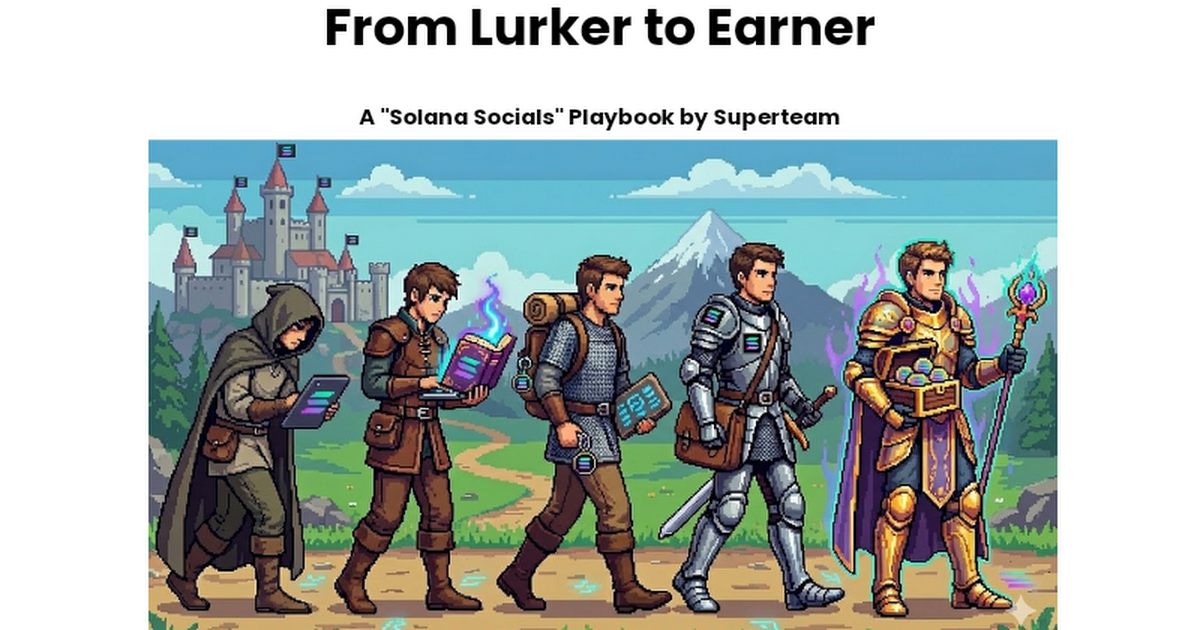
Choose a reliable blockchain for your token issuance. Consider gas fees, transaction speed, and community accessibility. Ethereum Layer 2 solutions or specialized social chains often offer the best balance of security and cost for new projects.
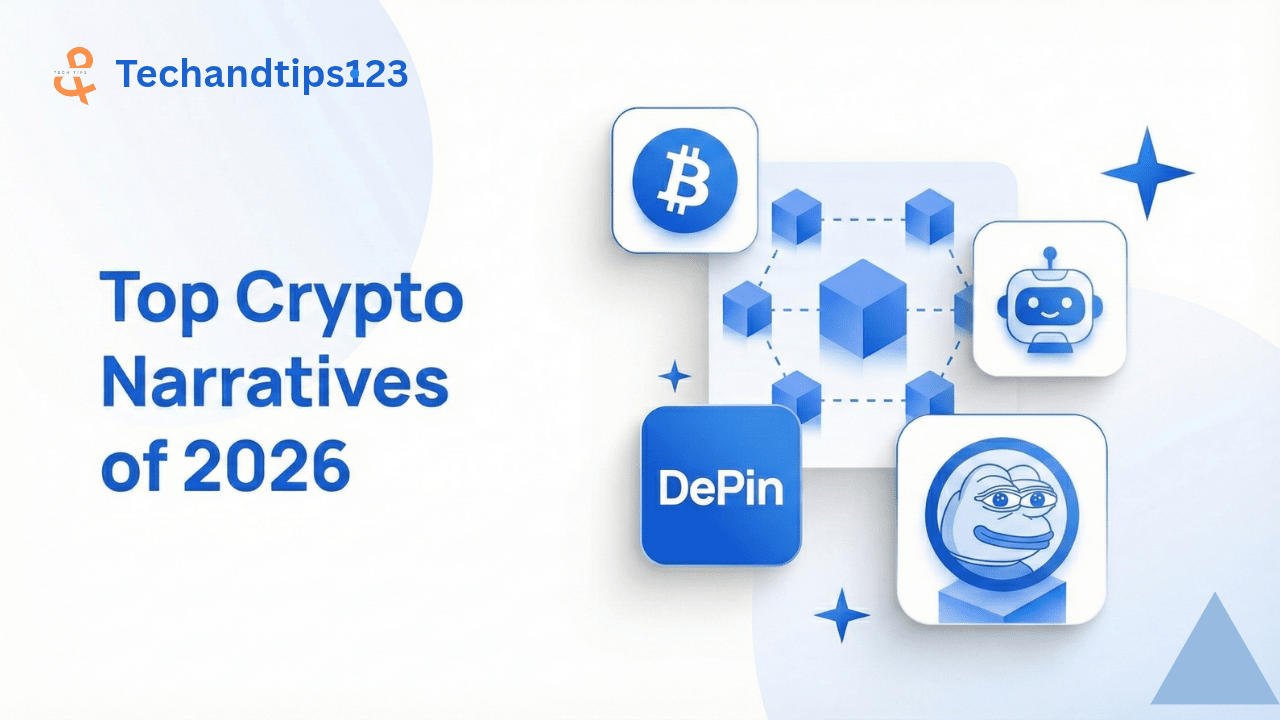
Draft clear guidelines for how token holders can participate in decision-making. Define voting mechanisms, proposal thresholds, and dispute resolution processes. Transparent governance builds trust and reduces the risk of community fragmentation.
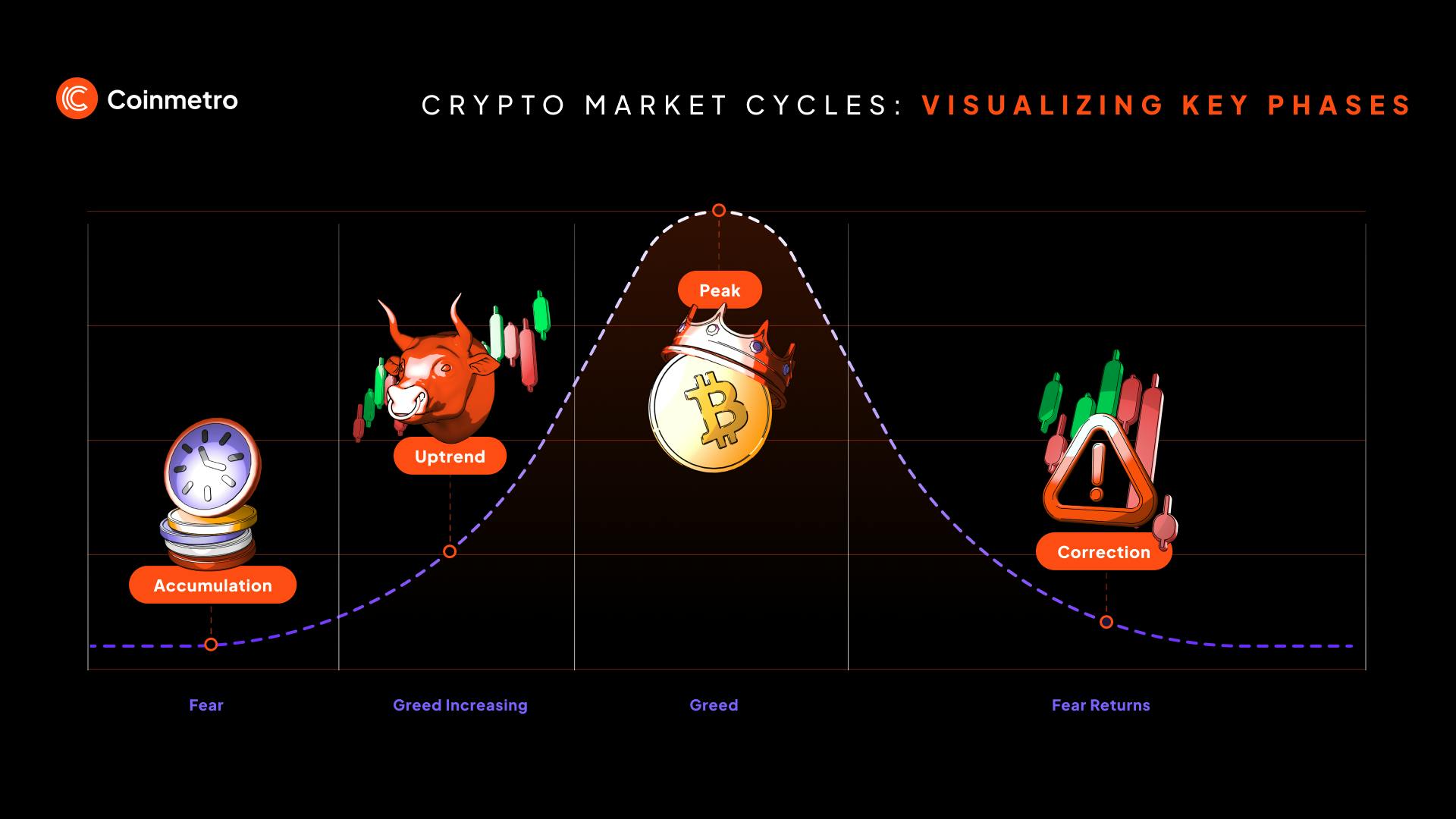
Develop a content calendar that highlights your project’s unique value proposition. Leverage existing crypto communities on Discord and Telegram, but also engage with broader social media platforms to attract non-crypto natives. Consistency is key.
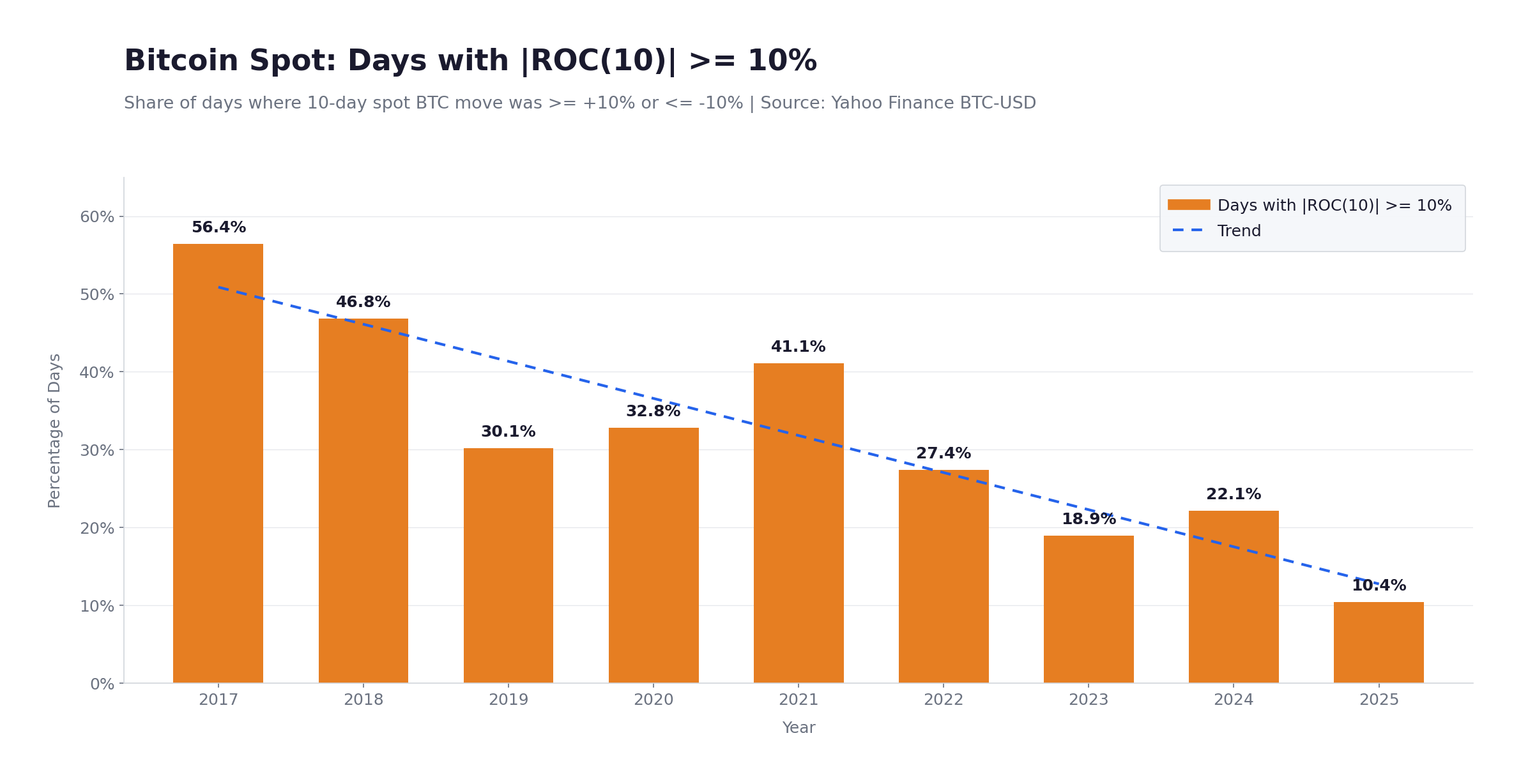
Use analytics tools to track community growth, token velocity, and sentiment. Regularly review your strategy against market trends and adjust your approach. Flexibility allows you to pivot quickly in response to user feedback and changing conditions.
Implementing these steps systematically will help you manage the complexities of the social crypto landscape. Remember, building a community takes time, but a solid foundation ensures long-term success.
No comments yet. Be the first to share your thoughts!