The shift to onchain social
Traditional social media platforms operate as walled gardens where user data is harvested, monetized, and locked behind proprietary algorithms. In contrast, onchain social infrastructure treats digital identity as a portable, verifiable asset. This shift moves the creator economy from a model of passive consumption to one of active ownership, where engagement is recorded on the blockchain rather than buried in opaque recommendation engines.
At the core of this transition is onchain identity. Unlike legacy social profiles, onchain identities allow users to prove their history, contributions, and reputation without relying on third-party verification. This transparency creates a new economic layer: followers are no longer just viewers but verifiable stakeholders with skin in the game. For creators, this means building communities based on shared economic incentives and verified trust, rather than viral luck or algorithmic favor.
AI agents are accelerating this shift by automating engagement at scale while maintaining onchain accountability. These agents can curate content, manage community interactions, and even execute micro-transactions based on predefined smart contract logic. This allows creators to scale their influence without losing the personal touch that drives genuine loyalty. The result is a hybrid model where human creativity meets machine efficiency, all anchored by immutable identity records.
Onchain identity transforms followers from passive viewers into verifiable stakeholders.
This evolution is not just technical; it is cultural. It rewards long-term contribution over short-term attention grabs. As these systems mature, we will see a divergence between legacy platforms that rely on ad revenue and onchain ecosystems that thrive on direct creator-audience alignment. The question is no longer whether to adopt onchain identity, but how to integrate it into existing strategies effectively.
Deploying AI agents for growth
The most effective way to scale a social crypto strategy in 2026 is to treat AI agents as your operational backbone. These automated systems handle the heavy lifting of community management, content distribution, and sentiment analysis, allowing you to maintain a consistent presence without burning out your team. By delegating repetitive tasks to intelligent algorithms, you can focus on high-level strategy and genuine community engagement.
AI agents excel at monitoring onchain identity and social signals in real-time. They can track sentiment across multiple platforms, identify emerging trends, and even draft responses to common community questions. This level of automation ensures that no opportunity is missed and that your brand voice remains consistent, regardless of the volume of interactions.
To maximize the impact of these agents, it is essential to integrate them with robust trading and analytics tools. Platforms like Cryptohopper offer comprehensive strategy design and backtesting capabilities, allowing you to refine your AI-driven approaches before deploying them live. By combining AI-powered social insights with precise trading strategies, you can create a cohesive ecosystem that drives growth and profitability.

The market dynamics of social tokens and DeFi protocols often reflect the intensity of community engagement. To understand how social activity correlates with price action, you can monitor live market data through provider-backed charts. This allows you to see real-time impacts of your AI-driven campaigns on token value and trading volume.
Tools for creator monetization
Turning followers into revenue requires more than just a wallet address; it needs infrastructure that handles onchain identity, frictionless payments, and automated access control. The landscape has shifted from manual DMs to integrated platforms that verify ownership and distribute payouts instantly. Below are the specific tools that streamline tipping, token-gating, and subscription models for 2026.
Superfluid: Real-Time Streaming
For creators who want to move beyond static one-time purchases, Superfluid offers a protocol for streaming stablecoins. Instead of waiting for a monthly billing cycle, subscribers pay per second or per minute. This "pay-as-you-go" model reduces churn because users can stop paying and lose access immediately, while creators maintain a predictable, flowing revenue stream. It is particularly effective for high-frequency content drops or daily market updates where the value is tied to immediacy.
Collab.Land: Automated Token-Gating
Token-gating remains the most reliable way to monetize community loyalty, and Collab.Land is the industry standard for executing this. The tool integrates directly with Discord and Telegram, scanning the blockchain to verify if a user holds a specific NFT or token before granting channel access. For creators, this means you can issue limited-edition NFTs as "keys" to your inner circle, ensuring that only verified holders can access premium discussions or alpha calls.
Friend.tech: Social-Fi Profiles
Friend.tech introduced a novel way to monetize social capital by allowing users to buy and sell "keys" to other users' profiles. While the hype has settled, the underlying mechanic remains a powerful example of direct creator monetization. Creators can set the price for their keys, and every time someone buys a key, the creator receives the payment instantly. This model works best for personalities with strong, engaged followings who want to monetize their personal brand directly without a middleman taking a cut.
Coinbase Commerce: Frictionless Payments
While specialized social tools are growing, Coinbase Commerce remains the most robust option for accepting direct crypto payments for subscriptions or one-off tips. It supports a wide range of stablecoins and major cryptocurrencies, handling the wallet management and payout infrastructure so you don't have to. For creators who want to keep their audience within the Coinbase ecosystem or accept payments from users who may not have a complex Web3 wallet setup, this tool provides a familiar, secure checkout experience.

Essential Hardware and Resources
Before launching a monetization strategy, securing your assets and understanding the market is critical. The following tools and resources provide the foundation for safe and informed operations.


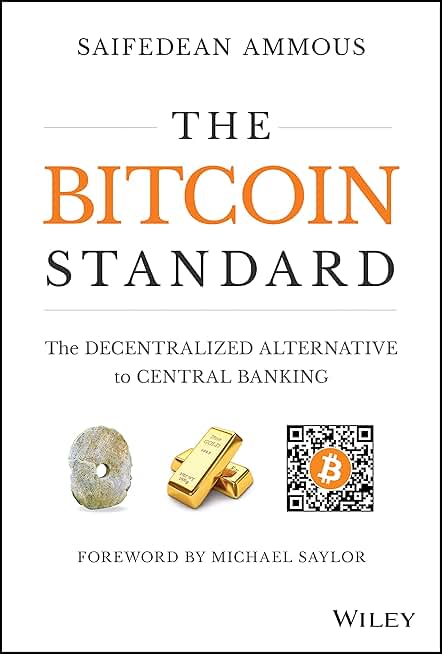
As an Amazon Associate, we may earn from qualifying purchases.
Building a sustainable community
Sustainable engagement in crypto relies on treating your community as a participant, not a target. The most resilient projects prioritize genuine interaction and transparent governance over hype cycles. When members see their input shaping the protocol, they stay for the utility, not just the price action.
1. Establish transparent governance
Onchain identity and voting mechanisms are the backbone of trust. Use platforms that allow verifiable participation without exposing sensitive personal data. Clear proposals and open discussions reduce the noise that drives users away during market downturns.
2. Focus on genuine interaction
Avoid bot-driven engagement. Real conversations happen when team members and core contributors respond directly to questions and feedback. Authenticity builds the social capital that survives volatility. As noted in industry guides, focusing on genuine communities and creating valuable content is the only way to sustain long-term interest.
3. Deliver consistent value
Utility must outperform speculation. Provide tools, insights, or access that members can use daily. Whether it’s educational resources or early access to new features, consistent delivery reinforces the reason for belonging.
Review your community metrics. Identify which channels drive real discussion versus passive noise. Remove or restructure areas that lack active moderation or value.
Integrate onchain voting or snapshot mechanisms. Ensure that every member knows how their voice counts toward protocol decisions. Transparency here is non-negotiable.

Plan content that educates or empowers. Share technical updates, use cases, and community spotlights. Consistency signals reliability to your audience.
Common questions about social crypto
What is the most profitable strategy in crypto? There is no single "most profitable" strategy, as returns depend heavily on market conditions. Day trading and swing trading capture volatility but require significant time, while HODLing relies on long-term value appreciation. Arbitrage and high-frequency trading offer quick profits but demand advanced technical infrastructure. Early strategies focused on low volatility holding, but modern social crypto strategies often blend AI agents with onchain identity for better timing.
What is the 3-5-7 rule in trading strategy? The 3-5-7 rule is a risk management framework designed to limit exposure. It limits each individual trade to 3% of your portfolio, keeps total open position risk at 5%, and caps correlated exposure at 7%. This disciplined approach helps safeguard investments against sudden market swings and improves long-term reliability by preventing catastrophic losses.
Can you make $1000 a day with crypto? While possible, making $1,000 daily is not sustainable for most traders and usually requires substantial capital. Earning this amount consistently typically demands a large account size or extreme leverage, which significantly increases risk. It is more realistic to focus on percentage-based growth rather than fixed daily dollar targets.
What is the 1% rule in crypto? The 1% rule states that you should never risk more than 1% of your total trading capital on a single trade. This conservative approach ensures that a string of losses does not wipe out your account, allowing you to stay in the market longer and learn from mistakes without financial ruin.
No comments yet. Be the first to share your thoughts!