What is social crypto infrastructure?
Social crypto infrastructure refers to the underlying blockchain rails that allow digital identity and social assets to be owned, transferred, and monetized independently of any single platform. Unlike traditional social media, where your followers and content are locked inside a corporate walled garden, social crypto infrastructure treats your online presence as a portable asset. This shift moves the core value of social interaction from centralized servers to decentralized networks.
At its technical core, this infrastructure combines social networking features with decentralized finance (DeFi) protocols. As noted by Chainlink, this convergence is often called "SocialFi." It enables creators to issue social tokens and communities to govern their own spaces using smart contracts. The result is a system where reputation and influence are not just metrics on a dashboard, but verifiable, tradable data on the blockchain.
This model relies on several key components: Layer-1 or Layer-2 blockchains for settlement, oracle networks for off-chain data verification, and token standards for identity representation. These elements work together to ensure that user data remains private and secure while still being interoperable across different applications. By removing the middleman, the infrastructure gives users direct control over their digital footprint.
The implications for creators are significant. Instead of relying on ad revenue or platform-specific monetization tools, creators can leverage their onchain identity to build direct economic relationships with their audience. This creates a more resilient and user-centric social ecosystem, where value flows directly to those who create and curate content.
Core Components of the Social Stack
Social crypto infrastructure replaces the black-box servers of Web2 with a transparent, modular stack. Instead of a single company controlling your profile, followers, and content, these functions are distributed across specialized layers. This separation of concerns allows creators to own their digital identity and monetize it directly, rather than renting attention from a platform.
Identity: The Permanent Credential
On-chain identity serves as the foundational layer, replacing usernames and passwords with cryptographic keys and decentralized identifiers (DIDs). Unlike a profile on a centralized platform, which can be deleted or suspended, an on-chain identity is portable and permanent. It acts as a unified, tamper-proof record of your reputation across the web. This shift moves the value of social interaction from platform-owned data to user-owned assets.
Storage: Decentralized Content Hosting
Content storage handles the heavy lifting of hosting images, videos, and metadata. Instead of relying on centralized cloud providers like AWS, social infrastructure often utilizes decentralized storage networks. These networks distribute data across thousands of nodes, ensuring that content remains accessible even if individual servers fail. This architecture provides censorship resistance and durability, guaranteeing that a creator’s work remains online regardless of external pressure.
Execution: Smart Contract Logic
The execution layer manages the logic of social interactions through smart contracts. When a user follows another, buys a token, or comments, these actions are recorded as transactions on the blockchain. This layer enables programmable social features, such as automated revenue sharing or token-gated access to content. By encoding social rules into code, the infrastructure removes the need for manual moderation and centralized enforcement.
Creator Tokens, Community Keys, and NFT Memberships Compared
Monetizing onchain identity requires choosing a mechanism that aligns with your audience relationship. The landscape has settled into three primary models, each carrying distinct economic tradeoffs regarding liquidity, governance, and barrier to entry.
Creator Tokens: Direct Brand Loyalty
Creator tokens function as personal currency tied directly to an individual’s reputation. Unlike traditional equity, they do not grant ownership in the creator’s business but serve as a loyalty mechanism. Holders often gain access to exclusive content, early product drops, or direct communication channels. The value proposition is strictly personal; if the creator’s brand falters, the token’s utility and value typically decline in tandem. This model works best for established personalities with a dedicated, high-trust fanbase.
Community Tokens: Shared Governance
Community tokens shift the focus from an individual to a collective. Issued by DAOs or specific projects, these tokens grant holders voting rights on treasury spending, protocol upgrades, or content direction. This model fosters deeper engagement but introduces complexity. Governance can become sluggish, and the token’s value is tied to the project’s health rather than a single person’s charisma. It is ideal for decentralized communities seeking to align incentives between creators and their audience.
NFT Memberships: Access-Only Utility
NFT memberships offer a simpler, often more liquid alternative. Instead of voting rights or speculative loyalty, these tokens act as digital keys. Holding the NFT grants access to specific platforms, events, or tools. The economic tradeoff is clear: you sacrifice governance influence for lower friction and clearer utility. This model is effective for creators who want to monetize access without managing complex community governance structures.
Comparative Analysis
The following table breaks down the core differences to help you decide which model fits your infrastructure needs.
| Feature | Creator Token | Community Token | NFT Membership |
|---|---|---|---|
| Primary Value | Brand Loyalty | Governance Power | Access Utility |
| Liquidity | Medium | High | Variable |
| Barrier to Entry | High | Medium | Low |
| Complexity | Low | High | Medium |
Market Context
The valuation of these social assets often correlates with broader crypto market trends. For context on current market sentiment, here is the live price action for a major market indicator.
Market trends in decentralized social
The market for social crypto infrastructure is shifting from experimental protocols to functional, provider-backed networks. Creators are increasingly relying on decentralized physical infrastructure networks (DePINs) to coordinate and incentivize real-world digital presence, moving beyond simple token issuance to building robust backend systems.
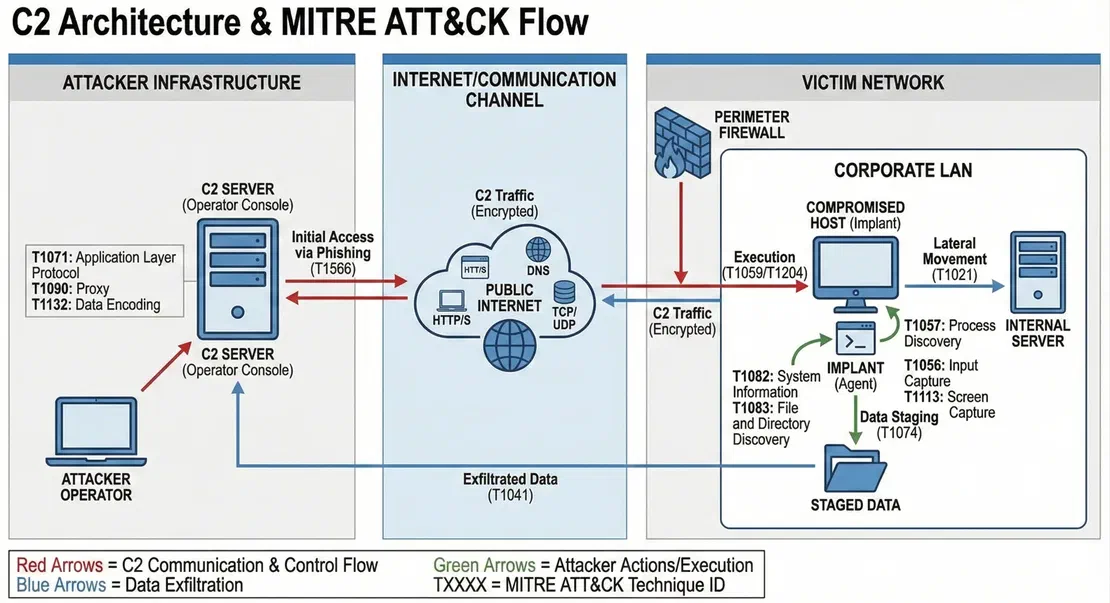
As illustrated in the architecture evolution from centralized to on-chain models, the underlying technology is becoming more modular and scalable. This transition allows creators to retain ownership of their identity data while leveraging decentralized storage and compute resources.
Market sentiment for these infrastructure tokens often tracks broader crypto cycles but with higher volatility. Investors are closely watching the adoption rates of major providers that offer institutional-grade custody and development platforms. The following chart displays the price action for a leading social infrastructure token, reflecting the market's risk appetite for decentralized social projects.
Key questions on social tokens
Social tokens are cryptocurrencies that allow creators and brands to monetize their identity. Unlike traditional currency, these assets are tied to the reputation and influence of the issuer, giving holders a sense of belonging to a specific community or group [2].
Crypto infrastructure refers to the foundational technology that enables this ecosystem. This includes blockchain networks, custody solutions, and oracle networks that process transactions securely. For social tokens to function, they rely on this underlying durable infrastructure to maintain a tamper-proof record of ownership and identity [1].
No comments yet. Be the first to share your thoughts!