What is social crypto?
Social crypto refers to digital assets issued by creators or communities to monetize influence and foster belonging. Unlike general crypto marketing, which often focuses on broad brand awareness or promotional campaigns, social tokens are functional currencies tied directly to a specific identity or group.
Wikipedia describes a social token as a type of cryptocurrency used to monetize a brand, noting that their value revolves around the issuer and that holders use them to feel a sense of belonging to a certain group [[src-serp-3]]. These tokens can be personal, issued by an individual creator, or community-based, issued by a DAO or collective.
It is important to distinguish these from general crypto social media marketing. While marketing involves using social platforms to promote crypto projects, social tokens are the underlying economic mechanism. They allow fans to move from passive observers to active stakeholders, creating a direct financial and social link between the creator and their audience.
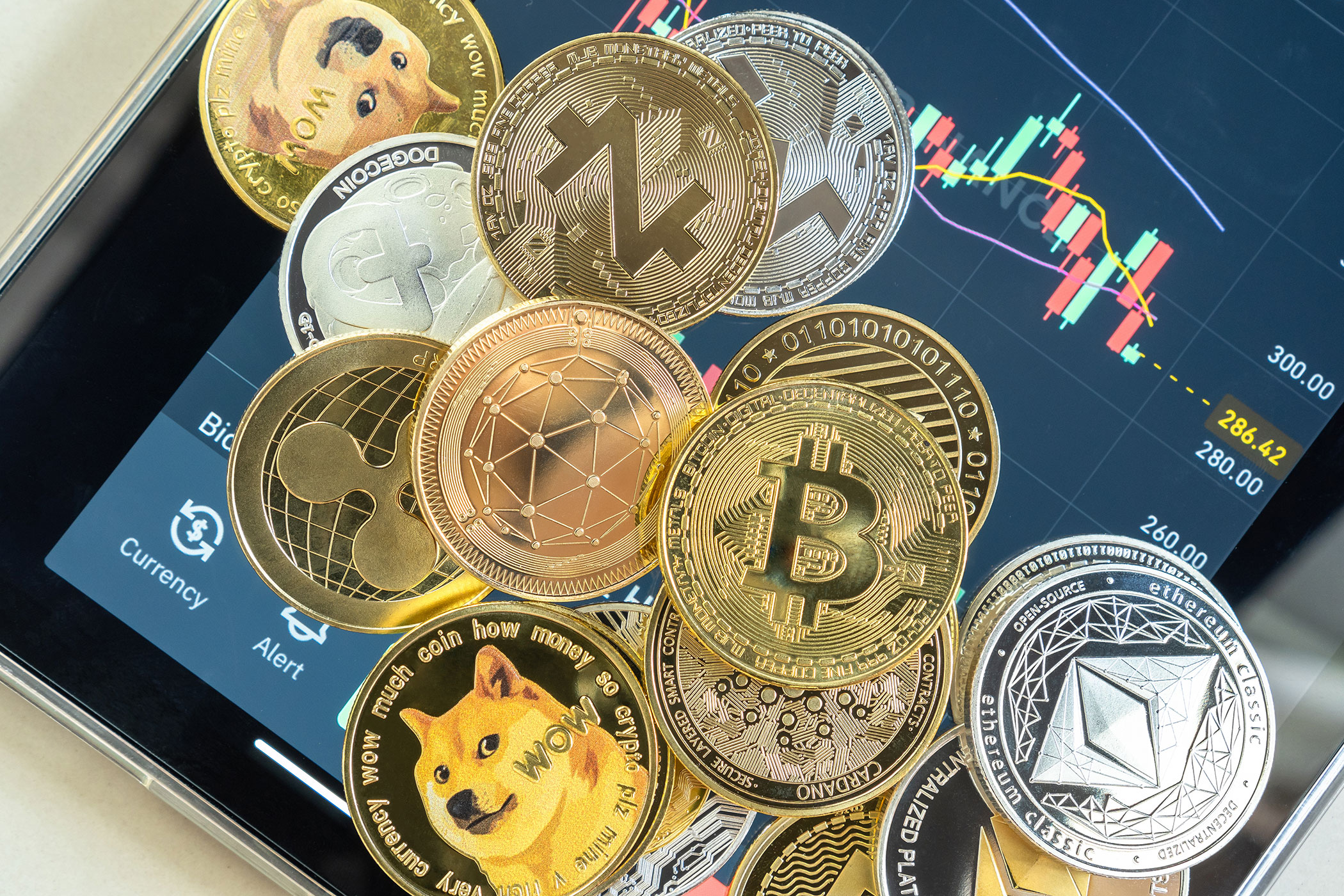
To understand the market context for these assets, it helps to look at the broader cryptocurrency landscape, which social tokens operate within.
The infrastructure behind onchain growth
Building a social crypto project requires more than just a Twitter account. You need reliable tools to handle token issuance, manage community interactions, and track market performance. These platforms form the backbone of your operation, allowing you to focus on content rather than technical friction.
Issuance and community platforms
Tools like Collab.Land and Guild.xyz have become standard for gating content. They connect social media profiles—Discord, Telegram, or Twitter—to your wallet, ensuring only token holders access exclusive channels. This automation reduces moderation overhead significantly. For creators looking to launch their own social tokens, platforms like Friend.tech and BitClout offer simplified interfaces that don't require deep smart contract knowledge, though they come with their own fee structures and liquidity risks.
Analytics and market context
Data drives decision-making. Tools like Dune Analytics allow you to build custom dashboards to track holder distribution and transaction volumes. For broader market sentiment, integrating live price widgets provides immediate context for your audience. Seeing the real-time performance of your project’s token alongside broader market trends helps investors gauge momentum without leaving your page.
Comparing infrastructure options
Choosing the right stack depends on your budget and technical comfort. The table below breaks down the primary options available for creators and investors in 2026.
| Tool | Primary Use | Cost Structure |
|---|---|---|
| Collab.Land | Discord/Telegram Gating | Free tier available; paid for advanced features |
| Guild.xyz | Community Roles & Governance | Free for most users; premium for multisig |
| Dune Analytics | Onchain Data Dashboards | Free for public queries; paid for high-frequency API |
| Friend.tech | Social Token Trading | Transaction fees on trades and keys |
TechnicalChart symbol="NASDAQ:AAPL" chartStyle="candle" interval="1D" indicators='["volume","rsi"]'
Turning social capital into revenue
Social tokens are digital assets issued by creators to monetize their brand and community. Unlike traditional merchandise or subscriptions, these tokens allow holders to participate in the creator's ecosystem, often gaining exclusive access to content, events, or decision-making power. The value of a social token revolves around the brand issuing it, serving as a way for fans to feel a sense of belonging to a certain group while supporting the creator directly.
There are three primary ways creators can leverage this technology for revenue:
1. Direct Token Sales (ICO/IDO) Creators can launch their own token, often through decentralized platforms like Friend.tech or Mirror. Initial sales allow early supporters to buy in at a lower price, providing immediate capital. This method shifts the relationship from passive audience to active stakeholder.
2. Exclusive Access and Utility Tokens can act as keys to gated content or private communities. Holders might gain access to Discord channels, live streams, or physical meetups. This creates recurring value, as token holders are incentivized to maintain their status rather than sell immediately.
3. Secondary Royalties Many social token frameworks allow creators to earn a percentage of every secondary sale. If a fan buys a token and later sells it to another fan, the creator receives a small cut. This aligns long-term incentives, as the creator benefits from the token's appreciation and liquidity.
While the potential is significant, it requires careful tokenomics design. Over-saturation can dilute value, so creators must balance supply with genuine utility. The goal is to build a sustainable economy where both the creator and the community thrive.
2026 Market Analysis and Price Trends
The social crypto landscape in 2026 has shifted from speculative hype to a more mature, utility-driven market. Unlike the broad cryptocurrency space, which often moves in tandem with Bitcoin, social tokens exhibit unique volatility patterns tied directly to creator activity and community engagement. Understanding these distinct trends is essential for investors and creators navigating the current environment.
Recent data indicates a divergence between established creator tokens and newer community projects. While major platforms have stabilized, smaller tokens remain highly sensitive to social media algorithm changes. This correlation means that market analysis for social crypto requires tracking both on-chain metrics and off-chain social sentiment. Investors are increasingly focusing on tokens with clear utility, such as access to exclusive content or governance rights, rather than pure speculation.
To visualize these market dynamics, we can look at the performance of representative social tokens against major cryptocurrencies. The following chart illustrates how a basket of top social tokens has performed relative to Ethereum over the past year, highlighting periods of decoupling and alignment with broader market trends.
The integration of prediction markets and decentralized finance into social platforms is also reshaping price discovery. As platforms like Truth Social explore new revenue models, the underlying tokenomics are evolving to support more sustainable economic models. This shift is evident in the recent price action of tokens associated with major media entities, which have shown resilience during market downturns.
For a real-time snapshot of market sentiment, the current price of a leading social token index reflects the ongoing debate between utility and speculation. Investors are watching closely to see if these tokens can maintain their value as the platform ecosystems mature and regulatory clarity improves.
As the sector matures, the focus is shifting toward measurable engagement and sustainable tokenomics. The market is rewarding projects that build genuine community value rather than those relying solely on influencer marketing. This trend is likely to continue, with social tokens becoming more integrated into the broader digital economy.
Essential gear and hardware wallets
Securing social tokens and community funds requires more than just a software wallet. You need dedicated hardware to keep private keys offline, protecting your assets from phishing and remote exploits.

For creators managing high-value community treasuries, a hardware wallet is the primary defense. Look for devices with strong open-source audits and clear recovery processes. Below are the top hardware wallets for securing social crypto assets.



As an Amazon Associate, we may earn from qualifying purchases.
Common questions about social tokens
Social tokens are digital assets issued by creators, brands, or communities to monetize influence and foster belonging. Unlike traditional cryptocurrencies that rely on decentralized network value, social tokens derive their worth from the reputation and engagement of the issuer. Holders often use these tokens to access exclusive content, vote on community decisions, or simply signal their affiliation with a specific group.
What is social cryptocurrency?
A social token is a type of cryptocurrency used to monetize a brand or creator identity. They can be personal (creator tokens) or community tokens. The value of a social token revolves around the brand issuing it, and they are used by holders as a way to feel belonging to a certain group. This creates a direct economic link between content creation and audience support, bypassing traditional intermediaries.
Can you make $1000 a day with crypto?
While possible, making $1,000 a day consistently is rare and highly risky. Most retail traders experience volatility that makes steady daily profits unsustainable. Success usually requires significant capital, advanced trading strategies, or high-risk leverage, which can lead to substantial losses. It is more realistic to view crypto as a long-term investment vehicle rather than a source of daily wage income.
What is the 1% rule in crypto?
The 1% rule suggests that you should never risk more than 1% of your total portfolio on a single trade. This risk management strategy protects your capital from severe drawdowns during market swings. By limiting exposure per position, you can survive volatile price action and stay in the game longer, allowing compounding to work over time rather than risking ruin on a single bet.
What is the 30 day rule in crypto?
The 30-day rule often refers to holding an asset for at least 30 days to avoid short-term capital gains taxes in some jurisdictions, or to smooth out volatility. In trading contexts, it can also mean observing a token’s price action for a full month before making a decision, avoiding impulse buys based on short-term hype. This waiting period helps distinguish between genuine trend shifts and temporary market noise.
No comments yet. Be the first to share your thoughts!