The social crypto limits to account for
Social cryptocurrency faces a fundamental tension: the very mechanism that drives value—community engagement—also creates a fragile feedback loop. A social token is a digital asset issued by a creator or brand, allowing holders to access exclusive content, voting rights, or real-world perks. Unlike utility tokens tied to software functions, these assets are pegged to the issuer's reputation and audience loyalty.
This structure mirrors traditional influencer marketing but on-chain. Holders buy in to signal affiliation, similar to a Patreon subscription, but with the added expectation of financial appreciation. When the creator’s relevance fades, the token’s utility and price often collapse together. The constraint is clear: without continuous, verifiable value delivery, the social graph breaks, and the asset becomes speculative noise rather than a stable monetization tool.
Social crypto choices that change the plan
Choosing a social token strategy requires balancing immediate liquidity against long-term community stability. Unlike traditional equity, these assets often lack regulatory backing, meaning value is tied directly to the creator’s reputation and engagement levels. Understanding the structural differences between platforms helps you avoid common pitfalls in monetization.
| Feature | Platform A (ERC-20) | Platform B (Soulbound) | Platform C (Hybrid) |
|---|---|---|---|
| Liquidity | High (transferable) | None (non-transferable) | Medium (vested) |
| Governance | Token-weighted | Reputation-based | Hybrid model |
| Tax Liability | Capital gains per trade | None until sale | Capital gains on vesting |
| Risk Profile | Volatile | Stable but illiquid | Moderate |
The choice between transferable and non-transferable tokens fundamentally changes how your community interacts with your brand. Transferable tokens like ERC-20s offer high liquidity but introduce volatility that can alienate core supporters if the price crashes. Non-transferable soulbound tokens prevent speculation but limit the financial upside for early adopters who might otherwise act as evangelists.
| Feature | Platform A (ERC-20) | Platform B (Soulbound) | Platform C (Hybrid) |
|---|---|---|---|
| Liquidity | High (transferable) | None (non-transferable) | Medium (vested) |
| Governance | Token-weighted | Reputation-based | Hybrid model |
| Tax Liability | Capital gains per trade | None until sale | Capital gains on vesting |
| Risk Profile | Volatile | Stable but illiquid | Moderate |
Tax implications also vary significantly. With transferable tokens, every trade triggers a taxable event, which can complicate accounting for both you and your holders. Soulbound tokens avoid this friction until a holder eventually exits, but they offer no immediate financial incentive for secondary market activity. Hybrid models attempt to balance these concerns through vesting schedules, though they introduce complexity in smart contract design.
Market volatility affects all social crypto assets, but creator tokens are particularly sensitive to news cycles. A single controversial post can impact token price more drastically than broader market movements. This correlation requires active reputation management and clear communication channels to mitigate sudden value drops.
How to choose the right social crypto infrastructure
Selecting the right platform is less about picking a coin and more about choosing the right settlement layer. Social tokens require infrastructure that handles community permissions, token distribution, and secondary market liquidity. The wrong chain can kill engagement through high gas fees or slow transaction times.
We break down the three primary infrastructure models used by creators today. Each serves a different monetization strategy, from direct fan support to decentralized community governance. Use this framework to match your audience size and content type to the appropriate technical stack.
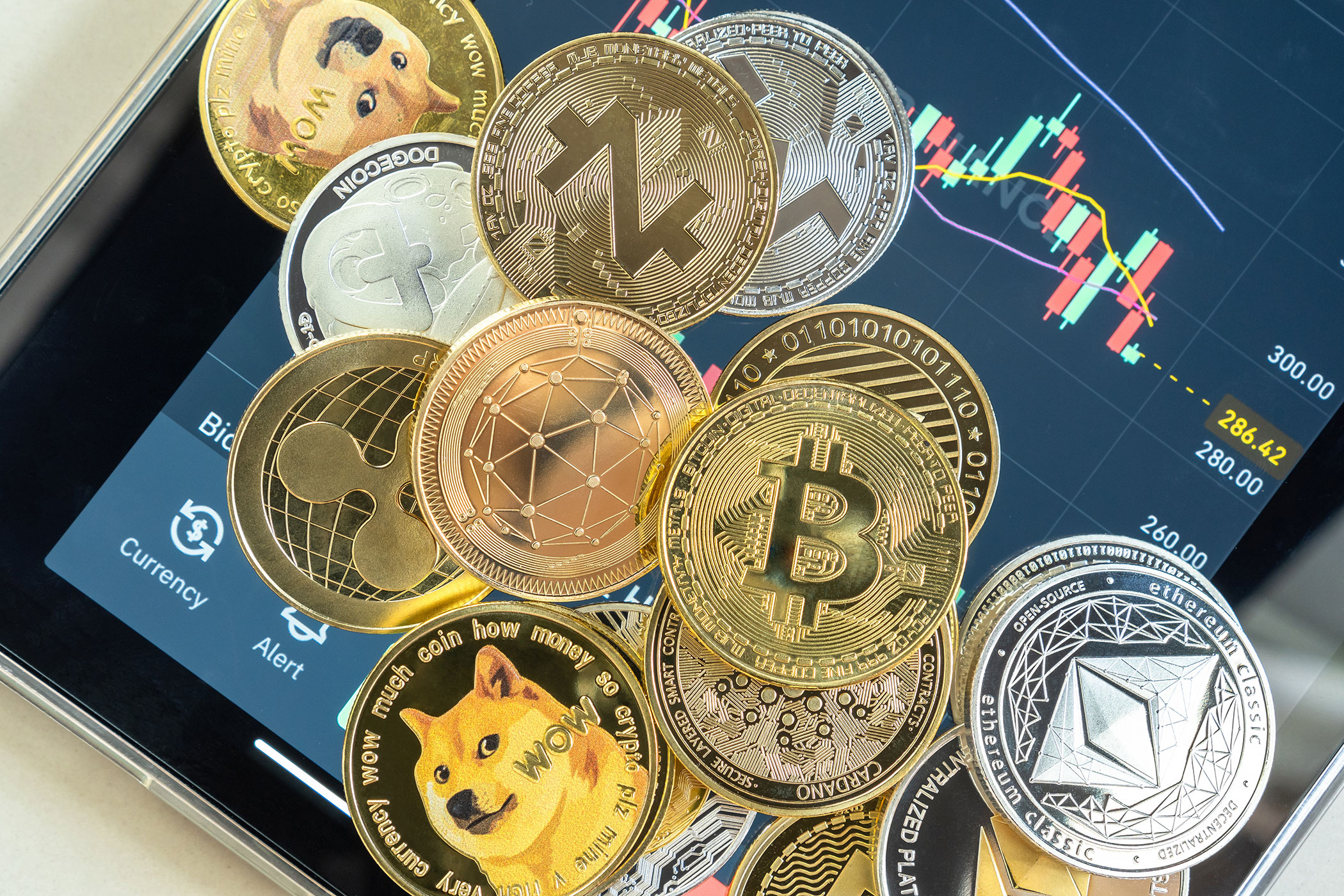
Use Ethereum Virtual Machine (EVM) sidechains like Polygon or Base for high-frequency, low-value interactions. These networks offer near-zero transaction fees, making them ideal for tipping, voting, or unlocking micro-content. If your audience expects frequent, small transactions, this is the standard choice.

Choose Solana if you need speed and scalability for large communities. Its high throughput handles thousands of transactions per second without the congestion seen on Ethereum mainnet. This is best for creators with massive followings who need instant settlement for merch drops or event tickets.
Opt for platforms like Friend.tech or Guild.xyz if you want integrated community tools. These platforms embed token-gating, profile verification, and chat directly into the user experience. You trade some flexibility for ease of setup, as the infrastructure handles the complex backend logic for you.

Consider Bitcoin Ordinals if your primary goal is selling unique digital collectibles rather than utility tokens. This emerging infrastructure allows for inscribing data directly on the Bitcoin blockchain. It appeals to collectors and early adopters but lacks the programmable smart contract features of EVM chains.
Avoiding Traps in Social Crypto
Social tokens are digital assets issued by creators to monetize their brand, allowing holders to feel a sense of belonging to a specific group. While the infrastructure for creator monetization has grown, many projects stumble on basic execution. To navigate this high-stakes space, you must distinguish between viable utility and empty hype.
Misleading Claims
Some projects promise passive income or guaranteed appreciation. Social tokens are speculative assets; their value hinges on the creator's ongoing engagement and brand health. If a whitepaper guarantees returns without a clear revenue-sharing mechanism or utility roadmap, treat it as a red flag. The value revolves around the brand issuing it, not financial engineering.
Weak Options
Avoid tokens that offer only generic access to a Discord server. This is the baseline expectation for most communities, not a unique value proposition. Look for tokens that unlock tangible perks: exclusive content, voting rights on channel direction, or physical merchandise. If the only benefit is "community access," the token is likely redundant.
Common Mistakes
Creators often overissue tokens, diluting value and alienating early supporters. Check the tokenomics carefully. A fair distribution model allocates a significant portion to the community and reserves a vesting schedule for the creator. If more than 40% of the supply is held by the team with no lock-up, the risk of a dump is high. Always verify the contract address on official explorers before buying.
Social crypto: what to check next
Before committing capital or time to creator-led tokens, it helps to separate the marketing hype from the actual mechanics. Social cryptocurrency operates differently than traditional equities or even standard utility tokens, which creates unique risks and opportunities for both creators and holders. Understanding these distinctions is essential for navigating the 2026 landscape.
No comments yet. Be the first to share your thoughts!